Skip to the pages
Lorenzo Guerrini

01/32

Chapters

Portfolio

Lorenzo Guerrini

Creative Technologist & AI Engineer

Exploring the intersection of computation, philosophy and artistic expression.

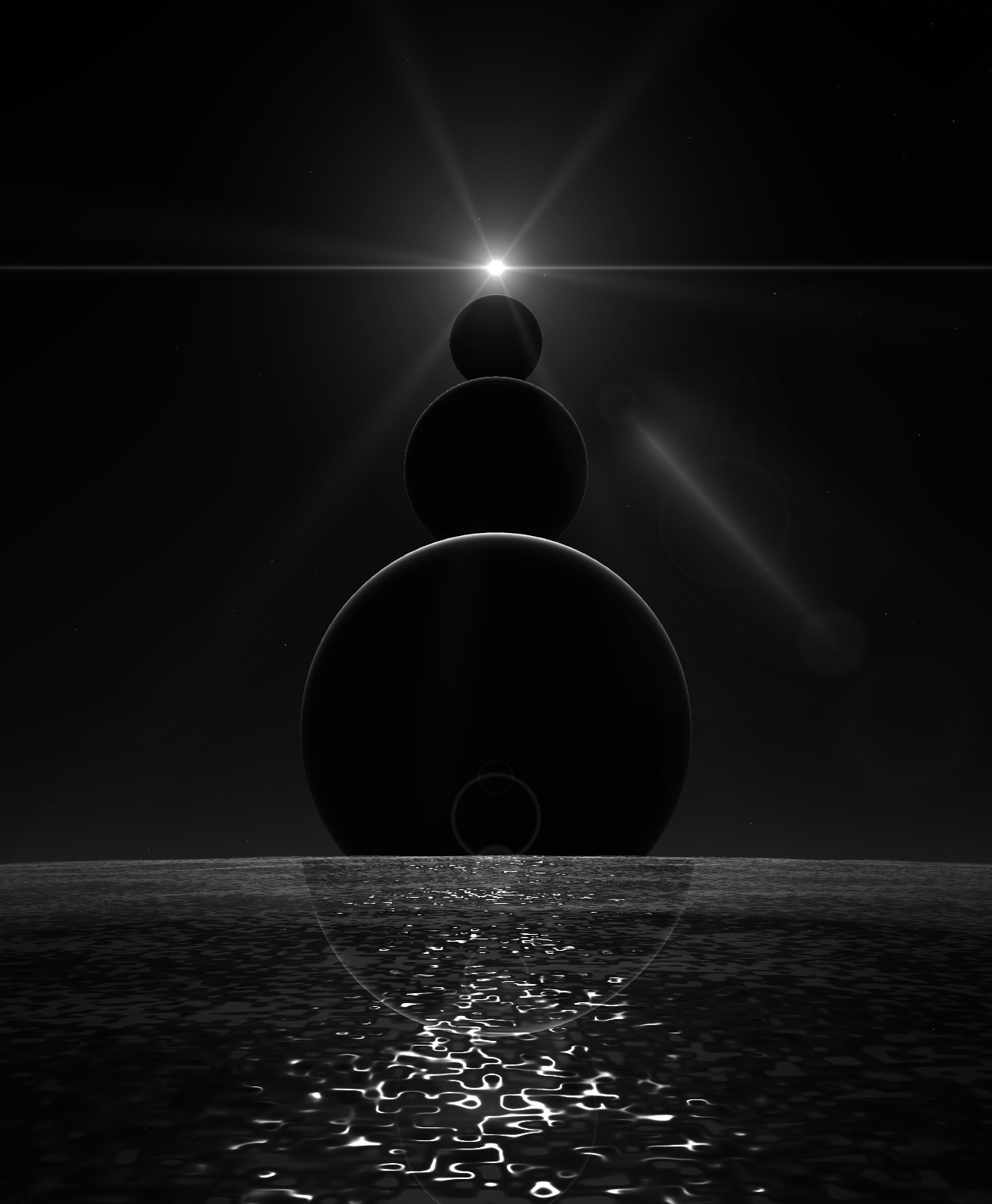
Three planets aligned above a dark sea; the sun above them, its flare crossing the sky; the light falls on the water.

From
philosophy
through
code
to art

01About

From vision to experience.

I connect imagination and knowledge through creative technology — building intelligent systems and immersive worlds that make the invisible tangible, the abstract experiential, and the imagined real.

01.1Practice

  1. VisionAn intuition of unity beyond appearances — the deeper connections that give meaning and coherence to reality.
  2. ScienceConnecting philosophy, scientific inquiry and wisdom across disciplines — giving structure and understanding to what is first perceived through intuition.
  3. TechnologyBridging knowledge and experience through software, AI and creative computation — translating vision into reality.
  4. ArtGiving tangible form to vision through interactive environments, generative art and immersive worlds — experiences to explore and inhabit.
From vision to experience03 / 32

01.2Path

  1. RootsPhilosophy — the foundation of a lifelong inquiry into knowledge, meaning and the nature of reality.Vita-Salute San Raffaele University · Milan
  2. 2020–2021Full-Stack Web Development BootcampSPICED Academy · Berlin
  3. 2021–PresentFreelance Full-Stack DeveloperWeb applications, digital experiences and client projects.
  4. 2025–2026Software & AI EngineeringTuring College · Full Scholarship
  5. 2025–PresentFreelance Software & AI EngineerIntelligent applications, agentic systems and creative digital experiences.

01.3Skills

  • Full-Stack DevelopmentHTML, CSS, JavaScript/TypeScript, React, Next.js, Vue.js, Node.js, Express, PostgreSQL, REST APIs, UI/UX, Git/GitHub and AWS.
  • Software & AI EngineeringPython, Prompt Engineering, LLMs, LangChain, LangGraph, AI agents, RAG, vector databases, long-term memory, evaluation, observability, orchestration and testing.
  • Creative ComputationCreative coding (Three.js/React Three Fiber, GLSL, GSAP, Tone.js, p5.js), generative systems, real-time graphics, audiovisual interaction and experimental web experiences.
Path · Skills04 / 32
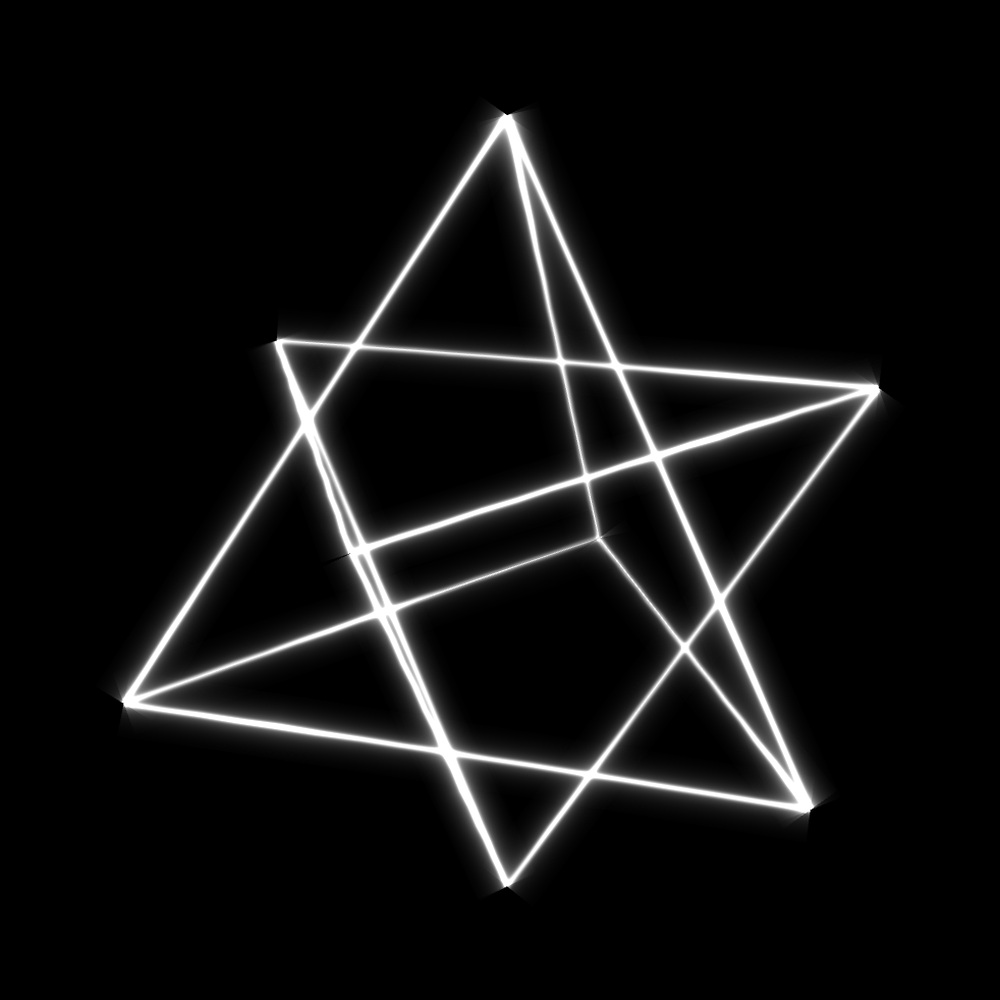
Two interpenetrating tetrahedra, eight vertices and twelve luminous edges, from the final World 2 entity.

02Research

HoloVision

Across cultures and centuries, philosophy, symbolism, geometry, music and art have sought to express the relationship between Unity and multiplicity. HoloVision continues this inquiry through the creative possibilities of computation and artificial intelligence.

Transmodality

A single relationship can become geometry, rhythm, sound, movement or space — changing its form while preserving the meaning that connects these expressions.

Creative Purpose

HoloVision seeks to transform knowledge into experience — creating new forms of perception, interaction and participation through intelligent systems, generative art and immersive environments.

HoloVision05 / 32

02.0Ecosystem

From meaning to experience.

HoloVision begins with a paradox: knowledge and representation can orient us toward an experience, but cannot contain it. Its three dimensions carry one inquiry from source-grounded meaning toward artistic encounter.

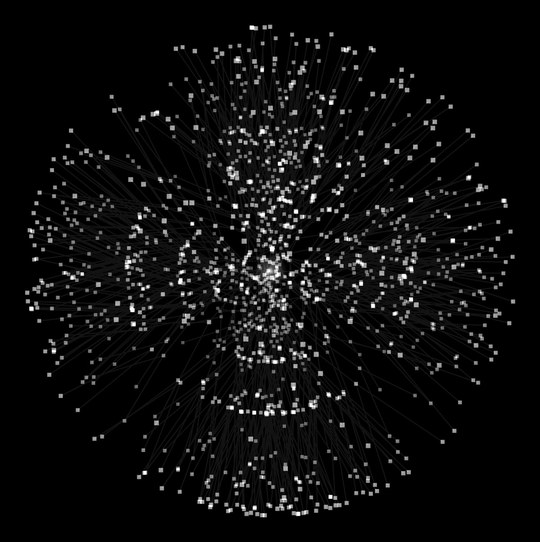
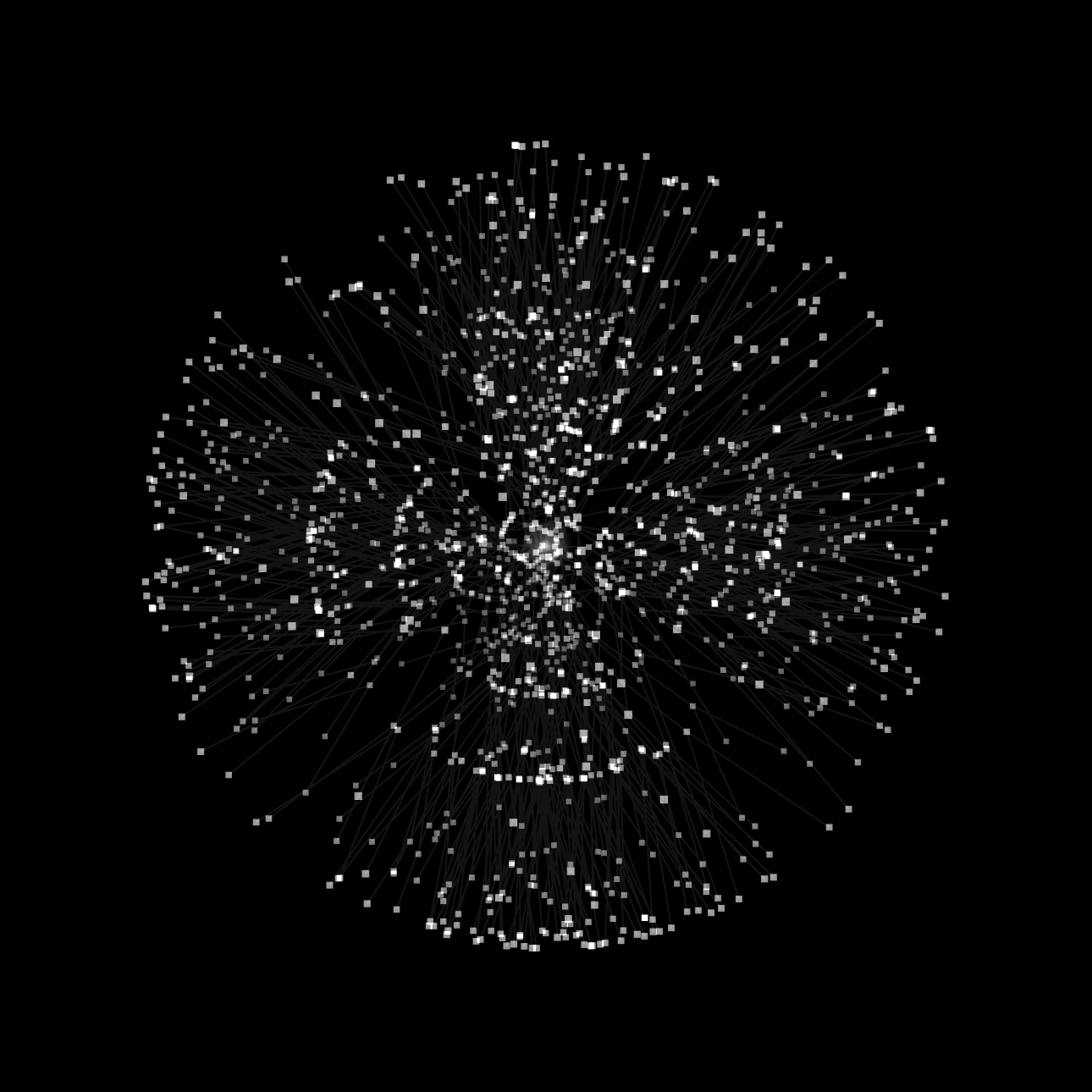
  1. The light in its full multiplicity: the whole tree of paths held open at once, every shell present, a field of radiance from one source.

    HoloMind

    Knowledge · meaning

    Its role is to organise sources, meanings and relationships through multiple lenses, while keeping provenance, disagreement and uncertainty visible.

    02.1

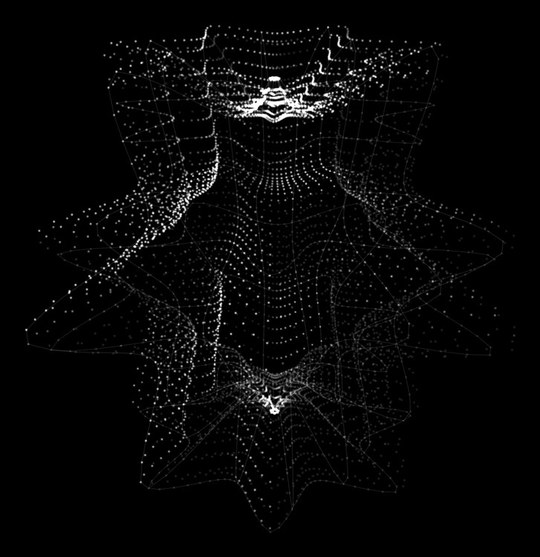
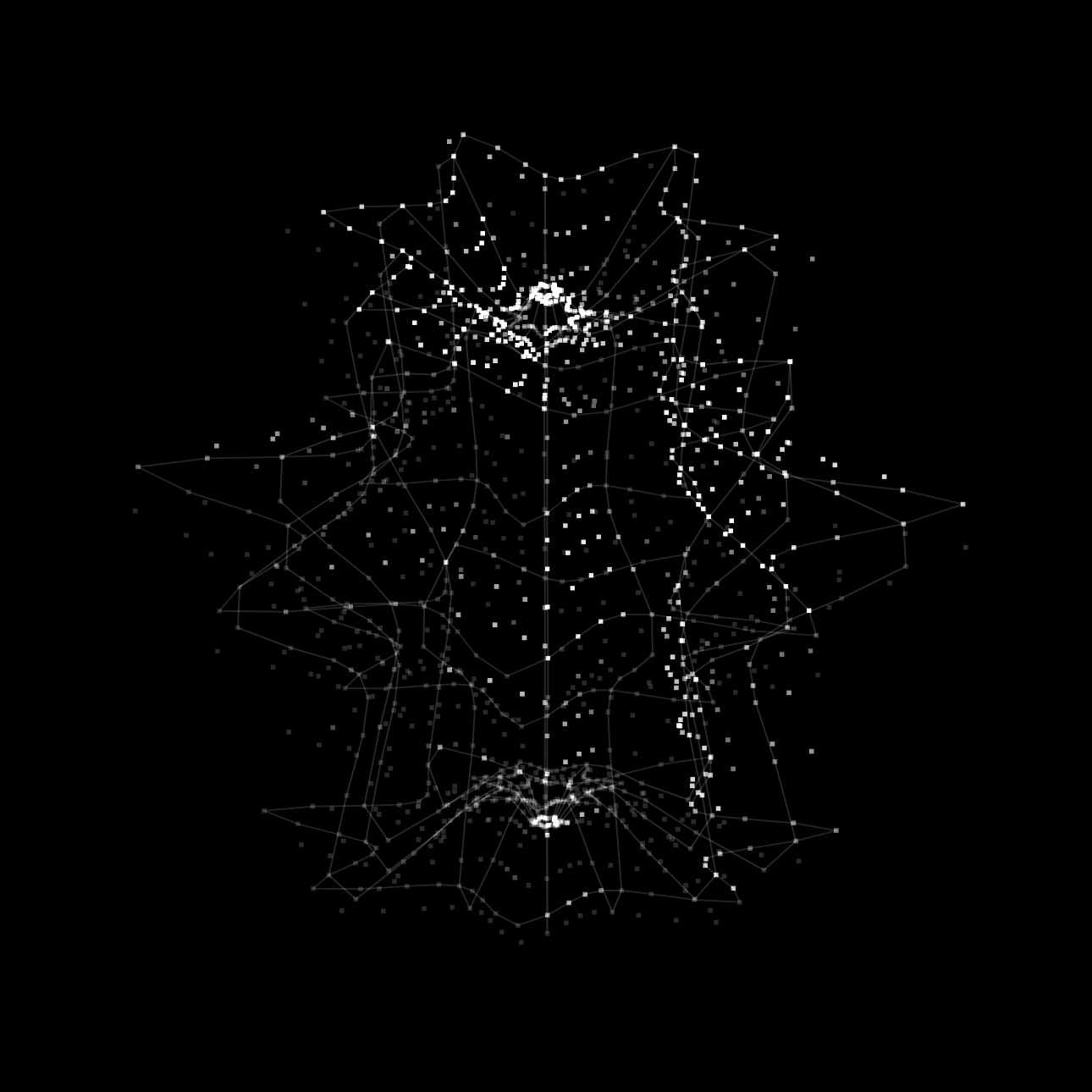
  2. A superformula volume: a shaded rounded form of many fine meridians.

    HoloGenesis

    Creative · transmodal translation

    Its role is to carry selected relations into compositional rules across geometry, rhythm, sound, movement, space and interaction.

    02.2

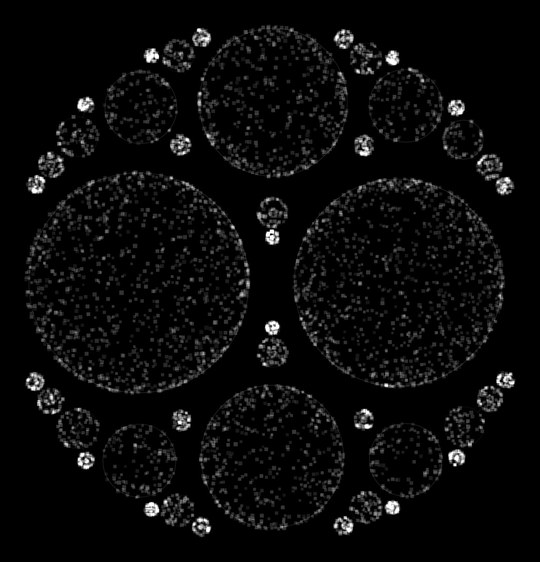
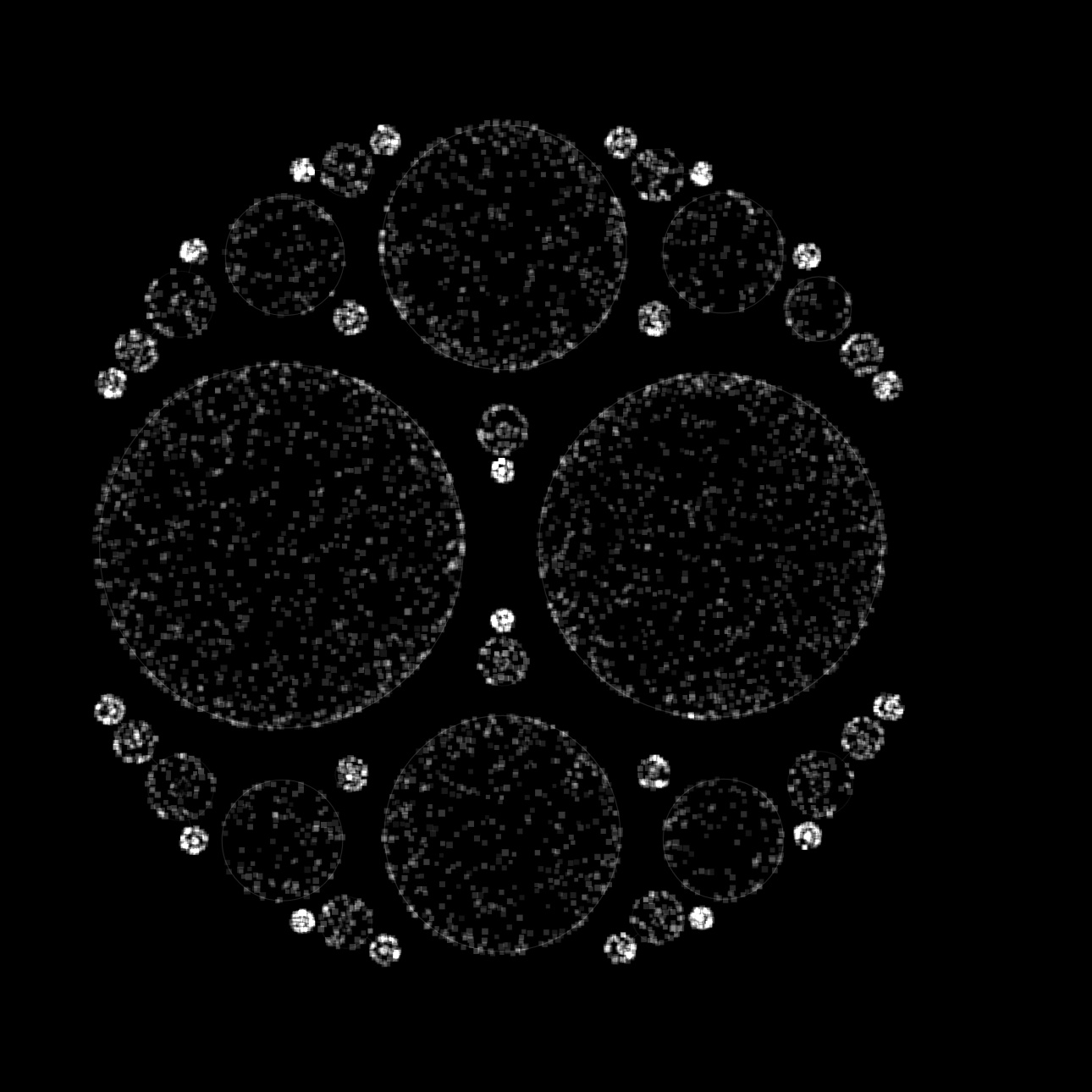
  3. A net of tangent circles, a few large pearls among many smaller ones, the threads joining them.

    HOLOiVERSE

    Artistic · immersive manifestation

    It is the artistic horizon in which those compositions may become authored studies, environments and interconnected worlds to see, hear, explore and inhabit.

    02.3

knowledge → relation → composition → experience → threshold

Ecosystem06 / 32

02.1In development

HoloMind

The tree of light in full emanation: rays opening shell by shell from one source, each path still joined to it.

HoloMind is a Knowledge & Meaning Engine built around a vision of deeper unity within the diversity of human knowledge. It connects source-grounded knowledge, mathematical structures and symbolic traditions while keeping their differences legible.

The Living Archive

Its canon models works, editions, passages and figures, with citations that resolve to exact source ranges. Candidate assertions enter the shared record through human review; interpretations remain distinct from their evidence. Four Lenses reveal different relationships without rewriting the canon, while Indra gives its parts and wholes an explorable 2D and 3D form.

source → passage → human review → lens → part and whole

In development · the public repository is a partial showcase of the engine and an earlier interactive graph explorer.

HoloMind on GitHub

HoloMind07 / 32

02.2In development

HoloGenesis

A superformula volume in three dimensions: meridians and parallels shading a rounded form.

HoloGenesis is the creative engine of HoloVision: a local AI-powered Studio that transforms creative briefs into executable computational artifacts that can be inspected, experienced live, refined and exported.

The Transmodal Bridge

It bridges art direction and programming through two visible routes: a direct Single Agent path and a staged Multi Agent workflow. The Studio extracts the result, checks it against a supported runtime, saves it and runs it in an isolated preview. Supported works include GLSL, Three.js, p5.js and Tone.js; other formats can continue into professional creative tools.

creative brief → workflow → code → checks → live artifact → refinement

Local, single-user Studio · public showcase of eleven generated works, seven external studies and selected engine excerpts.

HoloGenesis on GitHub

HoloGenesis08 / 32

02.3Envisaged

HOLOiVERSE

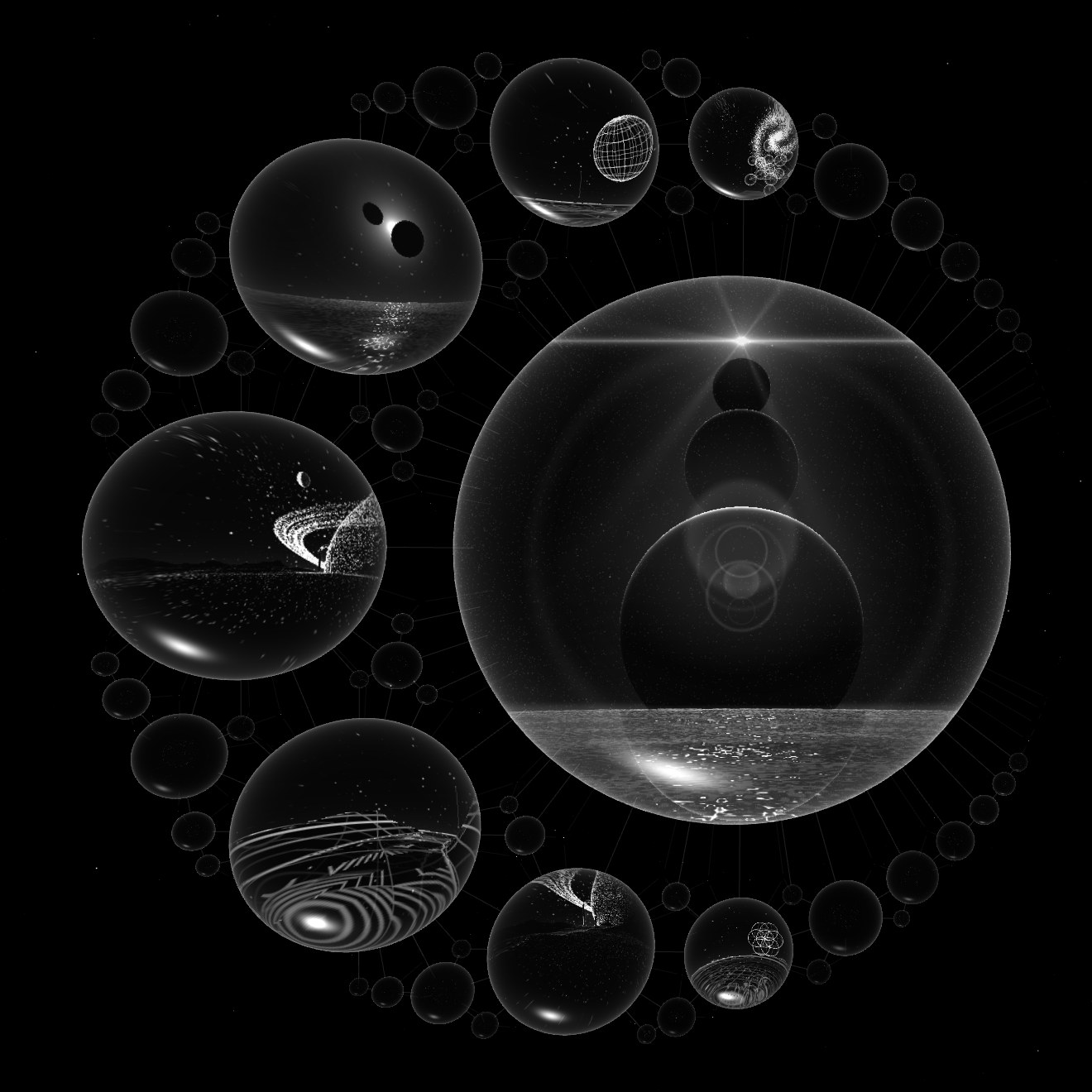
A field of pearls between two pulses: circles packed within circles, brighter where the light crosses.

HOLOiVERSE names HoloVision’s artistic horizon: the works, environments and interconnected worlds in which structured relationships become perceptual experience.

A Journey Through Worlds

Here a relation is no longer only read: it may be seen, heard, navigated or changed through interaction. Inspired by Indra’s Net, distinct works appear as pearls within one relational field, each reflecting the others and opening another path through the whole.

Seven autonomous web studies make this horizon tangible today: distinct explorations conceived for the web, installations and live performance, and possible beginnings of future interconnected worlds.

composition → encounter → interaction → reflection

Each study remains a work in its own right while opening paths toward the others.

HOLOiVERSE09 / 32

02.4Studies & Concepts

HOLOiVERSE Studies & Concepts

Seven implemented web studies explore relationships among geometry, music, matter and light. Three concepts in development extend this research towards immersive worlds, digital theatre and live audiovisual performance.

00

HOLOiVERSE

These studies and concepts are independent explorations — conceived for the web, installations and live performance. They also point towards future worlds of HOLOiVERSE: an envisioned multiverse in which distinct creations may become interconnected experiences.

  1. 01Metaphysics of LightGeometry of EmanationInstallation concept
  2. 02QuadriviumInstallation StudyEducational & installation concept
  3. 03Morphogenetic StudiesRules that produce formWeb study
  4. 04Ars CombinatoriaThe Geometry of KnowledgeEducational & installation concept
  5. 05Divina ProportioneInstallation StudyInstallation concept
  6. 06Arca Musarithmica ReimaginedA Generative Machine for Sound and FormLive performance concept
  7. 07Resonant MatterCymatic StudiesLive performance concept
  8. 08Atalanta FugiensAn Alchemical Audiovisual JourneyConcept · In development
  9. 09Choreographies of the InvisibleA Study for Digital TheatreConcept · In development
  10. 10Transmodal ResonanceLive Audiovisual PerformanceConcept · In development

The types name destinations of each project — installation, teaching, live performance. What exists is the web demonstration of each study; the three concepts are in development.

Studies & Concepts10 / 32

01

Metaphysics of Light

Geometry of Emanation

Installation concept

About this study

Can one point of light, by a single continuing act, become the many — and can the many be gathered back into the one?

You see four moments of one movement: unity (a single point), emanation (light spreading shell after shell), multiplicity (every point keeping its path to the source) and return (the light running back along those paths). The idea comes from Robert Grosseteste’s treatise On Light, where the world unfolds from light spreading out of a point.

Inspiration

Robert Grosseteste, De luce (On Light), early thirteenth century — light spreading from a point; the ratios 2 : 1, 3 : 2, 4 : 3 and the number ten as 1 + 2 + 3 + 4. Geometry, branching, motion, light and sound are a contemporary interpretation made for this study.

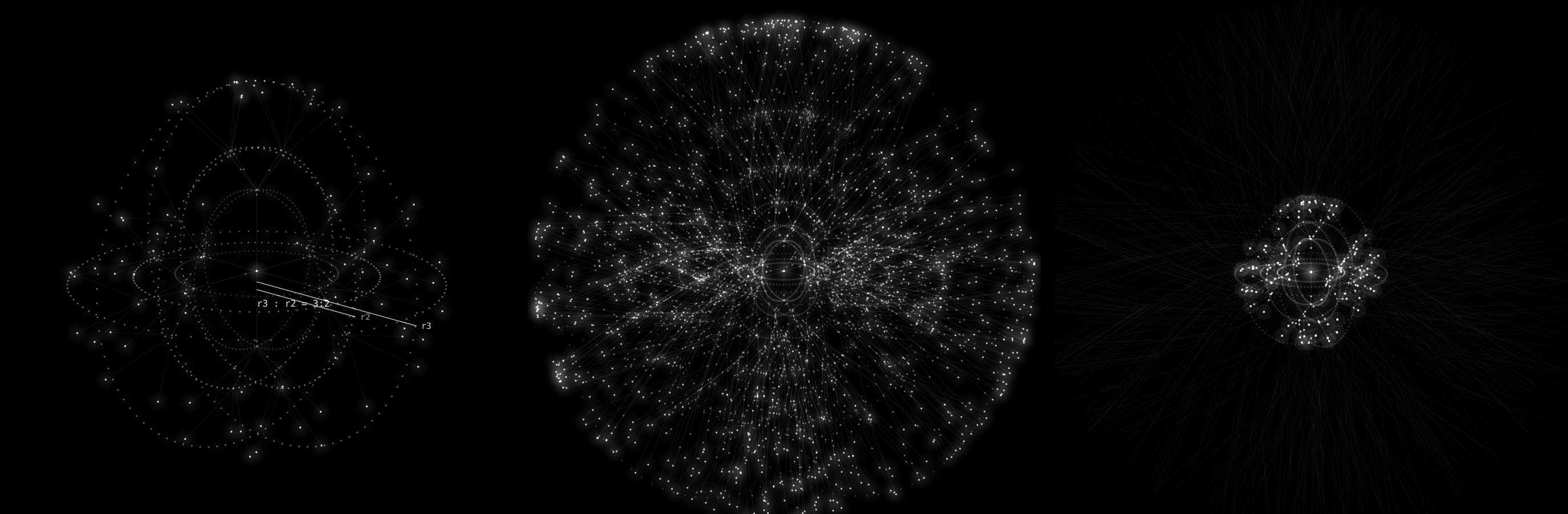
Metaphysics of Light: Emanation · shell 3 of 6 — every shell 3 : 2 the radius of the one before, measured on the drawing; Multiplicity · 1 → 6 → 24 → 72 → 216 → 432 → 864 points, each still joined to the source by its own path; Return · the light running back along every path, the outermost shells first — a poetic reading, not the treatise
  1. 1Emanation · shell 3 of 6 — every shell 3 : 2 the radius of the one before, measured on the drawing
  2. 2Multiplicity · 1 → 6 → 24 → 72 → 216 → 432 → 864 points, each still joined to the source by its own path
  3. 3Return · the light running back along every path, the outermost shells first — a poetic reading, not the treatise
01 · Metaphysics of Light11 / 32

02

Quadrivium

Installation Study

Educational & installation concept · with sound

About this study

What stays the same when one relation is counted, measured, heard and turned in a cycle — and what do the sources say of the heavens?

The four arts of the old quadrivium as four readings of one relation, on one shared module: the number counted (the weights of Boethius’ story of the hammers, in groups), the number in space (two lengths), the number in time (two strings whose vibrations meet again) and the number in space and time (two turning points that meet again — a schematic cycle, declared as an analogy). The heavens appear in the sources’ words; Orbits adds planetary dances computed from measured periods, and keeps the idealized model with exact ratios apart.

One window

In the time the lower string makes q vibrations the higher makes p; in the same window the slower point makes q turns and the faster p. At its end everything is back where it started: the light that passes through the four readings marks it, and the four coincide.

The four arts · one relation, 3 : 2, on one module

  1. Arithmetic

    the number counted

    Arithmetic, the number counted: XII = 3 × 4 · VIII = 2 × 4 — the weights of the hammers in Boethius’ story: three groups and two groups of four.XIIVIIIArithmetic, the number counted: XII = 3 × 4 · VIII = 2 × 4 — the weights of the hammers in Boethius’ story: three groups and two groups of four.XIIVIII

    XII = 3 × 4 · VIII = 2 × 4 — the weights of the hammers in Boethius’ story: three groups and two groups of four.

  2. Geometry

    the number in space

    Geometry, the number in space: L1 = 3 modules · L2 = 2 modules — the same three and two as lengths on one module.L1L2Geometry, the number in space: L1 = 3 modules · L2 = 2 modules — the same three and two as lengths on one module.L1L2

    L1 = 3 modules · L2 = 2 modules — the same three and two as lengths on one module.

  3. Music

    the number in time

    Music, the number in time: 220 Hz and 330 Hz — the shorter string vibrates three times while the longer vibrates twice: the fifth.330 Hz220 HzMusic, the number in time: 220 Hz and 330 Hz — the shorter string vibrates three times while the longer vibrates twice: the fifth.330 Hz220 Hz

    220 Hz and 330 Hz — the shorter string vibrates three times while the longer vibrates twice: the fifth.

  4. Astronomy

    number in space and time

    Astronomy, number in space and time: Three turns against two in the same window — a schematic cycle, an analogy, not an orbit.Astronomy, number in space and time: Three turns against two in the same window — a schematic cycle, an analogy, not an orbit.

    Three turns against two in the same window — a schematic cycle, an analogy, not an orbit.

Drawn from the study’s own numbers (its first five steps); the dotted lines are the shared module, three of them the window. The cycle is an analogy.

02 · Quadrivium · Four arts12 / 32

02

Quadrivium

Planetary dances

Orbits · six real pairs

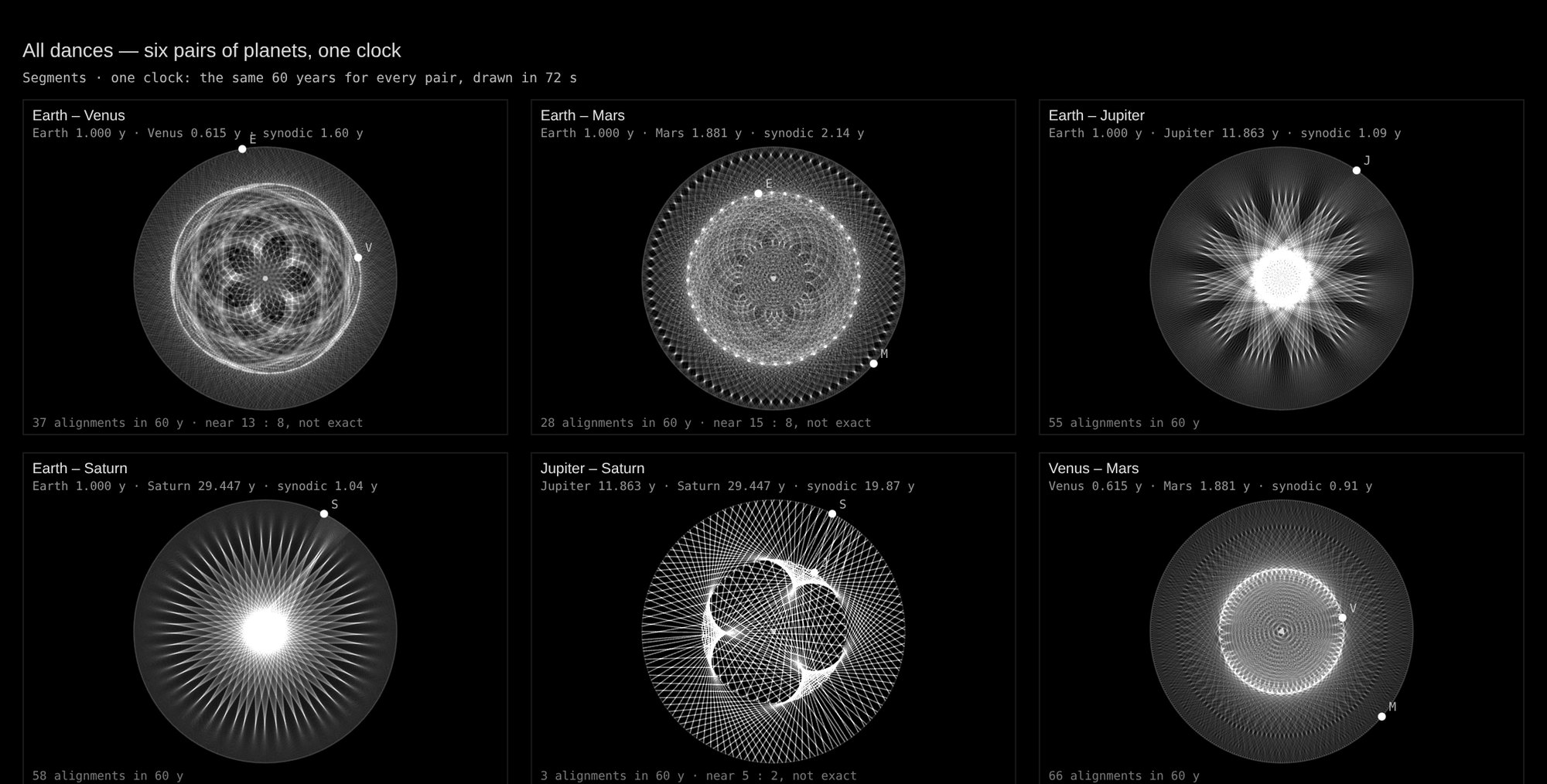
Pairs of real planets — Earth with Venus, Mars, Jupiter or Saturn, Jupiter with Saturn, and Venus with Mars — on circular orbits in one plane at uniform speed, with their sidereal orbital periods and mean distances from JPL’s tables and their J2000 mean longitudes as starting positions. Three traces are computed from these numbers: the segment that joins the two planets at equal steps of time (the segments accumulate into a figure), the path of one planet seen from the other (the observer at the centre, the axes fixed to the stars — a relative path, not an orbit around the Sun), and the heliocentric alignments — Sun and both planets in line on the same side — joined in the order they happen. Real orbits are elliptical and inclined: this is a reading of two periods, not an ephemeris, and the time on screen is accelerated.

The idealized model, kept apart

Kept apart: two neutral orbiters, A and B, with an exact ratio p : q (the relation, or 5:3, 8:5, 13:8) and distances from Kepler’s third law (r ∝ T^(2/3)). Only here do the figures close exactly and show p − q-fold symmetry. 5:3 and 8:5 are the just major and minor sixths; 13:8 has no traditional interval name.

Quadrivium: All dances · six pairs of real planets on circular, coplanar orbits (JPL periods), drawn on one clock: the same 60 years for every pair. Earth with Venus, Mars, Jupiter and Saturn, Jupiter with Saturn, and Venus with Mars; segments join the two planets at equal steps of time. A reading of two periods, not an ephemeris; the idealized model with exact ratios is kept apart. The dark inside a cell is the model’s own sky — the segments join two planets and leave it dark; nothing is cut off: the figure is woven in 72 seconds, holds a moment complete, then all six begin again together.

What you see

All dances · six pairs of real planets on circular, coplanar orbits (JPL periods), drawn on one clock: the same 60 years for every pair. Earth with Venus, Mars, Jupiter and Saturn, Jupiter with Saturn, and Venus with Mars; segments join the two planets at equal steps of time. A reading of two periods, not an ephemeris; the idealized model with exact ratios is kept apart. The dark inside a cell is the model’s own sky — the segments join two planets and leave it dark; nothing is cut off: the figure is woven in 72 seconds, holds a moment complete, then all six begin again together.

Inspiration

Boethius, De institutione musica (the hammers and their weights XII, VIIII, VIII, VI); Athanasius Kircher and Luca Pacioli on the heavens, as reported in the author’s research; Johannes Kepler, Harmonices mundi (the third law, used only to scale the idealized orbits); NASA JPL Solar System Dynamics (periods, mean distances and J2000 longitudes, for circular, coplanar orbits).

02 · Quadrivium · Planetary dances13 / 32

03

Morphogenetic Studies

Rules that produce form

Web study

About this study

When a simple rule produces a form, what comes from the rule, what from its numbers — and what only from our eyes?

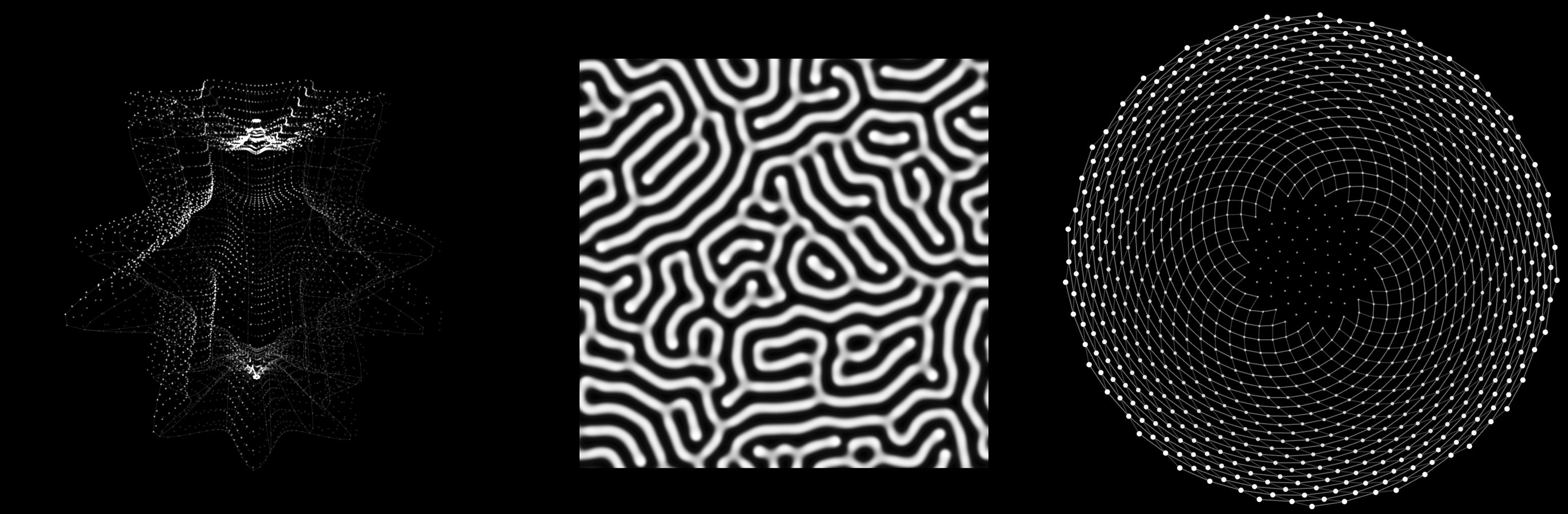
Three different rules, shown one at a time and never mixed: a formula that describes outlines (here as a volume), a field where two substances react and spread, and a rule that places points one after another at a fixed angle. Each form you see is computed by its rule from the values shown.

Inspiration

Johan Gielis (the superformula, 2003); Peter Gray and Stephen K. Scott, and John E. Pearson, Complex Patterns in a Simple System (1993) for the reaction–diffusion field; Helmut Vogel, A better way to construct the sunflower head (1979). Rendering, regimes and sequence are a contemporary interpretation.

Morphogenetic Studies: Superformula · a seven-lobed flower as a volume (m = 7, n1 = 0.2, n2 = n3 = 1.7); Gray–Scott · a labyrinth (feed 0.029, kill 0.057) on a 256 × 256 grid that wraps around; Vogel · 1000 points at the golden angle (137.508°), joined to their 21st and 34th neighbours: 21 spirals one way, 34 the other
  1. 1Superformula · a seven-lobed flower as a volume (m = 7, n1 = 0.2, n2 = n3 = 1.7)
  2. 2Gray–Scott · a labyrinth (feed 0.029, kill 0.057) on a 256 × 256 grid that wraps around
  3. 3Vogel · 1000 points at the golden angle (137.508°), joined to their 21st and 34th neighbours: 21 spirals one way, 34 the other
03 · Morphogenetic Studies14 / 32

04

Ars Combinatoria

The Geometry of Knowledge

Educational & installation concept

About this study

Can a device that only enumerates help a person to think — if every step stays visible and the judgement stays with the person?

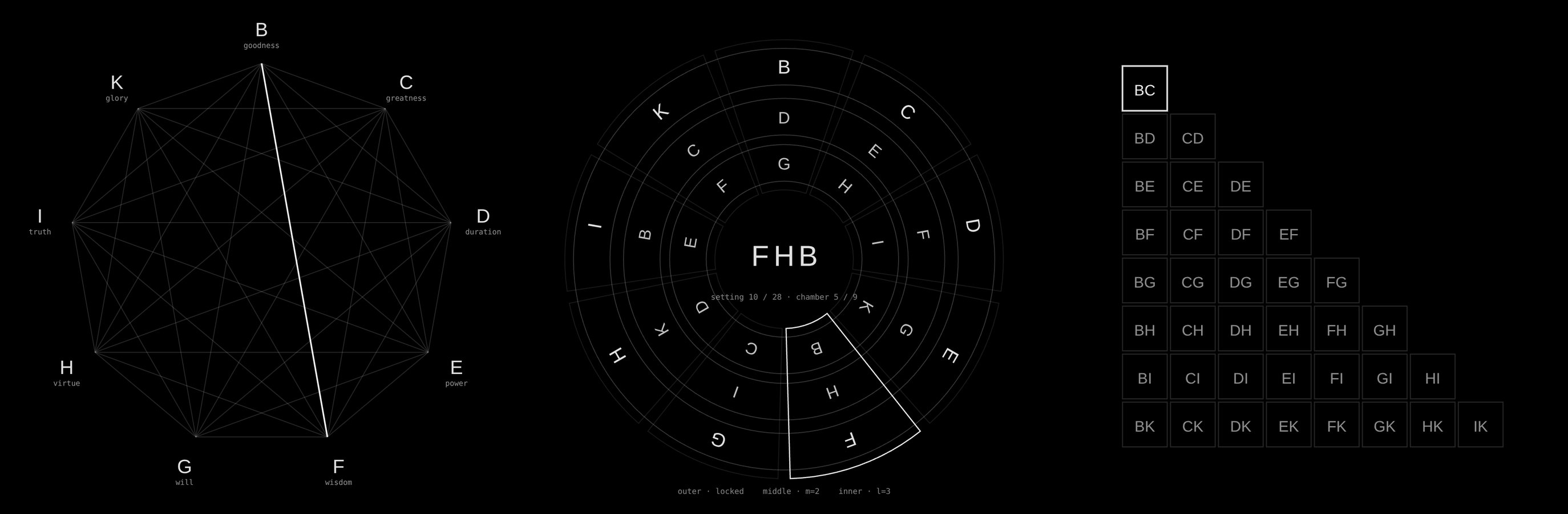
Ramon Llull’s Ars brevis turns letters on concentric wheels. Here its figures are built one by one, in the order A, T, the fourth figure, the third figure: Figure A joins nine principles, Figure T sets out relations, the fourth figure turns two inner rings by whole steps so that three letters line up in a chamber, each read in six ways at once, and the third figure lists every pair. The last step — whether a chamber holds a meaningful middle — is left to the person who reads it.

Inspiration

Ramon Llull, Ars brevis (1308) — the letters, their six meanings and the four figures; the alphabet as printed in Paris, 1578, and after A. Bonner’s Selected Works of Ramon Llull (Centre de Documentació Ramon Llull). Rings, chambers and the step-by-step display are a contemporary interpretation.

Ars Combinatoria: Figure A · nine principles and the 36 chords that join each one to every other; The fourth figure · setting 10 of 28 (middle ring 2 steps, inner ring 3 beyond it): chamber 5 aligns F · H · B, read as principles; The third figure · the 36 pairs of the nine letters, each a chamber in which a middle is sought between two principles
  1. 1Figure A · nine principles and the 36 chords that join each one to every other
  2. 2The fourth figure · setting 10 of 28 (middle ring 2 steps, inner ring 3 beyond it): chamber 5 aligns F · H · B, read as principles
  3. 3The third figure · the 36 pairs of the nine letters, each a chamber in which a middle is sought between two principles
04 · Ars Combinatoria15 / 32

05

Divina Proportione

Installation Study

Installation concept

About this study

Can a relation be seen in a line, and then in bodies one could hold — and what does each body really contain?

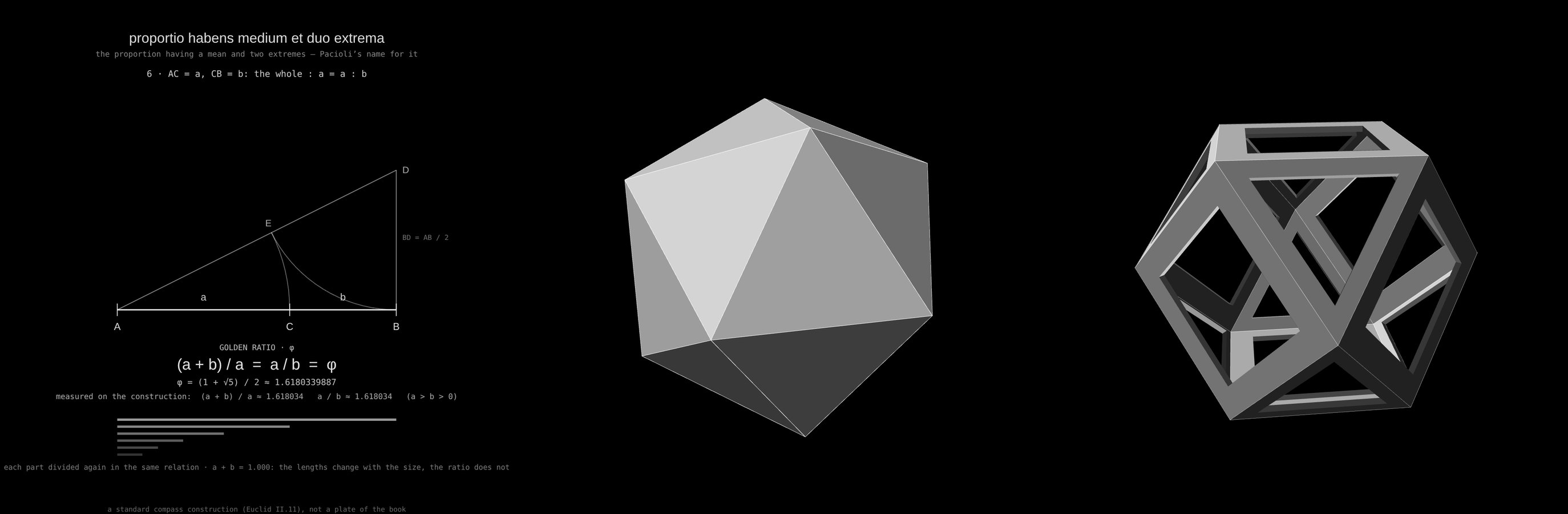
Two rooms. In the first, a line is divided by compass so that the whole stands to the larger part as the larger to the smaller — the proportion Luca Pacioli calls “having a mean and two extremes”. In the second, thirteen of the bodies drawn by Leonardo da Vinci for Pacioli’s Divina proportione are built one after another, each shown whole and turning, solid and then “vacuum”, as Leonardo drew them.

Inspiration

Luca Pacioli, Divina proportione (Venice, 1509) — the name of the proportion and the table of bodies, drawn by Leonardo da Vinci as solids and as “vacuum”; Euclid, Elements II.11 and XIII.17 (standard constructions). Rendering, transitions and sequence are a contemporary interpretation.

Divina Proportione: The line · divided by compass in a mean and two extremes: (a + b) / a = a / b = φ = (1 + √5) / 2, both ratios measured on the construction; Plate XXI · icosahedron, solid: golden ratio φ, intrinsic — its twelve corners lie on three golden rectangles (1 : φ); Plate X · cuboctahedron, “vacuum”: no golden ratio — its relation is √2 (the edge of the cube that holds it to its own edge; the cube is not drawn)
  1. 1The line · divided by compass in a mean and two extremes: (a + b) / a = a / b = φ = (1 + √5) / 2, both ratios measured on the construction
  2. 2Plate XXI · icosahedron, solid: golden ratio φ, intrinsic — its twelve corners lie on three golden rectangles (1 : φ)
  3. 3Plate X · cuboctahedron, “vacuum”: no golden ratio — its relation is √2 (the edge of the cube that holds it to its own edge; the cube is not drawn)
05 · Divina Proportione16 / 32

06

Arca Musarithmica Reimagined

A Generative Machine for Sound and Form

Live performance concept · with sound

About this study

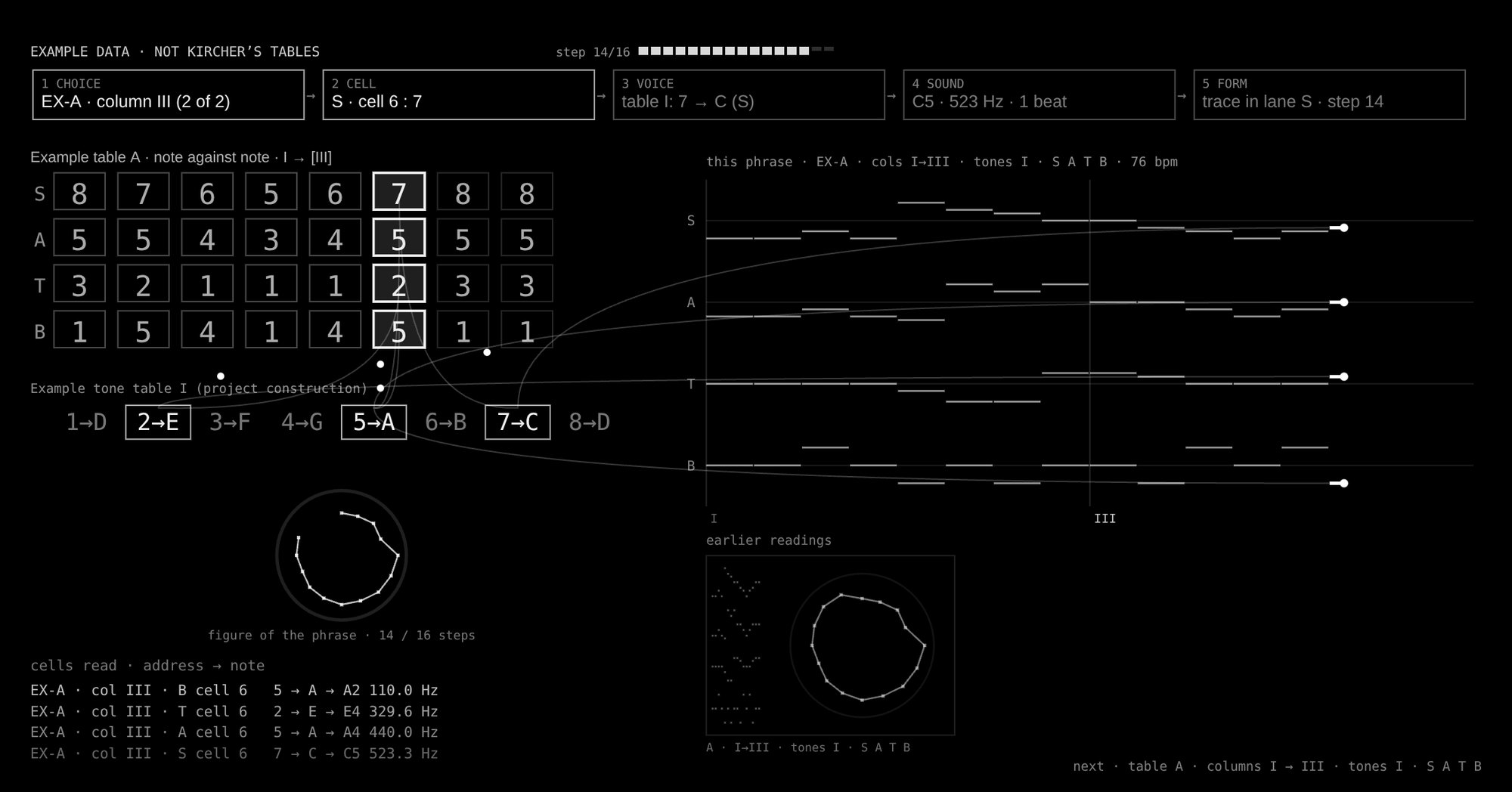
Can the way from a choice to a result be followed — cell by cell, through a table, to a sound and a form — before anyone calls it a machine?

Athanasius Kircher’s Arca musarithmica was a box of tables that let anyone set a text to music by choosing rows and columns of numbers. This demonstrator shows the procedure with example tables (not Kircher’s): a phrase is a sequence of column choices; each cell is read in order, a tone table turns its digit into a note for its voice, and the note sounds and leaves a trace and a figure.

Inspiration

Athanasius Kircher, Musurgia universalis (Rome, 1650) — the Arca musarithmica and its procedure. All tables shown are example data, not Kircher’s; interface, drawing and sound are a contemporary interpretation.

Arca Musarithmica Reimagined: One phrase being read (14 of 16 steps) · example table A (not Kircher’s), columns I → III, tone table I, four voices: the cells and the tone table at the left, the figure of the phrase under them, the four voice lanes at the right (height = pitch), an earlier reading below

What you see

One phrase being read (14 of 16 steps) · example table A (not Kircher’s), columns I → III, tone table I, four voices: the cells and the tone table at the left, the figure of the phrase under them, the four voice lanes at the right (height = pitch), an earlier reading below

06 · Arca Musarithmica Reimagined17 / 32

07

Resonant Matter

Cymatic Studies

Live performance concept · with sound

About this study

What can be read in a vibrating pattern before it is heard — and how far does a model stand for real matter?

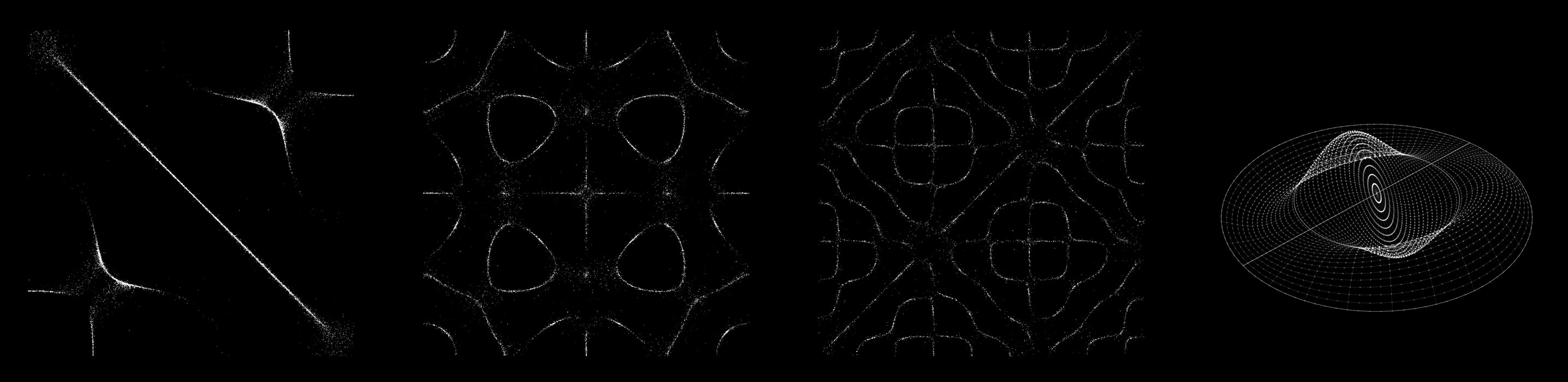
Three models of vibration, one at a time: a square plate (an approximation), an ideal circular membrane and a string (both exact for their idealised models). Each figure shows where the surface stays still — its nodal lines — for one mode, written large with what each number counts. Passing from one mode to the next, the figure changes continuously. A reduced model of the membrane driven from outside, with its response curve, is kept among the advanced views of the web study.

Inspiration

Ernst Florens Friedrich Chladni, Entdeckungen über die Theorie des Klanges (1787) — the tradition of making nodal lines visible (none of these formulas is attributed to him); NIST Digital Library of Mathematical Functions §10.21 for the zeros of the Bessel functions. Models as standard physics; drawing, transitions and sound are a contemporary interpretation.

Resonant Matter: Square plate (2, 3, +) · grains gathered on the nodal lines; Square plate (7, 3, +) · a dense figure, found by the grains alone; Square plate (10, 7, −) · cells and crossings of the same two cosine patterns; Ideal circular membrane (1, 2) · one nodal diameter and one circle; frequency ≈ 2.917 × the fundamental (j₁,₂ / j₀,₁, exact for the ideal model)
  1. 1Square plate (2, 3, +) · grains gathered on the nodal lines
  2. 2Square plate (7, 3, +) · a dense figure, found by the grains alone
  3. 3Square plate (10, 7, −) · cells and crossings of the same two cosine patterns
  4. 4Ideal circular membrane (1, 2) · one nodal diameter and one circle; frequency ≈ 2.917 × the fundamental (j₁,₂ / j₀,₁, exact for the ideal model)

The plate is an approximation and is heard through a declared sonification of n and m (110 Hz × n, × m), not a physical frequency; the membrane and the string sound their own frequency ratios, transposed onto 110 Hz.

07 · Resonant Matter18 / 32

08

Atalanta Fugiens

An Alchemical Audiovisual Journey

Concept installation / HOLOiVERSE world · In development

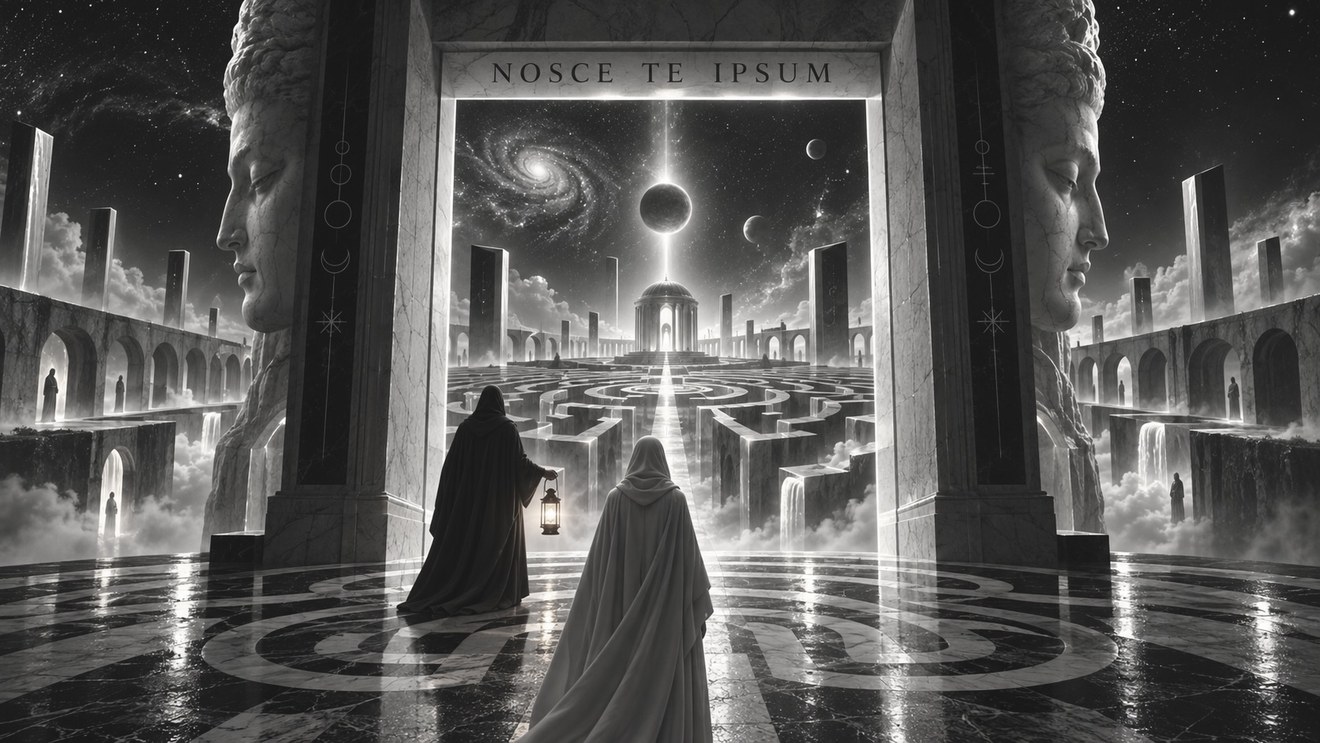
An immersive journey through alchemical transformation, conceived as a world to enter rather than a sequence of images to observe. Emblem, word and musical structure become spatial relationships: thresholds, labyrinths, reflective surfaces and changes of light guide a passage from fragmentation towards a renewed sense of unity.

Within HoloVision, the work approaches alchemy as a language of inner transformation. The envisioned journey moves through darkness, clarification and integration, while retaining the ambiguity of the symbols. Its final opening places one world within a wider constellation of possible worlds: a passage towards HOLOiVERSE, not a definitive conclusion.

Proposed stack: Blender · Unreal Engine · ComfyUI · spatial audiovisual composition.

Atalanta Fugiens — concept visualisation: two robed figures beneath an inscribed marble gate, a vast geometric labyrinth leading toward a glowing domed temple under a starry sky.
A threshold into the alchemical world — concept visualisation.
08 · Atalanta Fugiens19 / 32

09

Choreographies of the Invisible

A Study for Digital Theatre

Digital theatre / live performance concept · In development

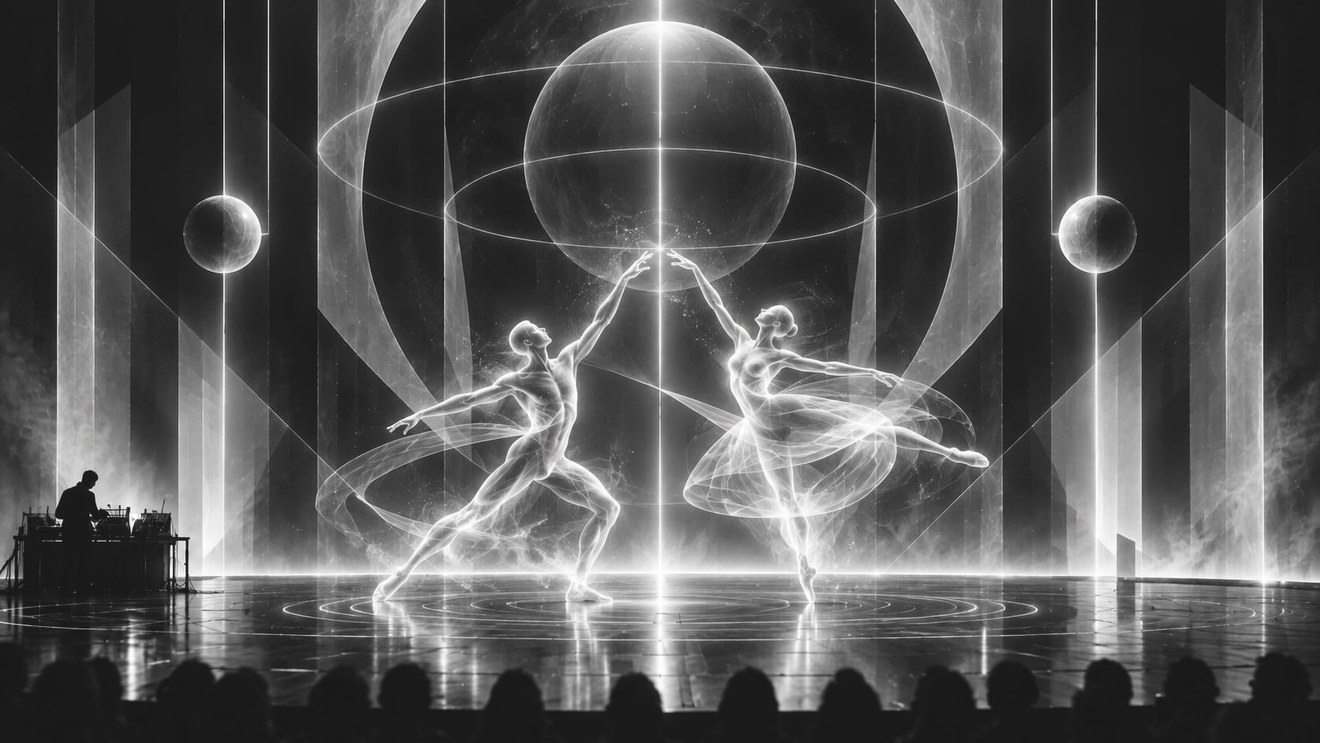
A stage conceived as an instrument of relationships between body, sound, light, geometry and silence. Movement becomes a way of making invisible structures perceptible: a gesture extends into a luminous trajectory, a musical interval reorganises space, and a shared rhythm brings distinct forms into relation.

The proposed work unfolds through emergence, counterpoint and dissolution. Rather than using projection as scenery behind a performance, it explores a composition in which performers and digital forms participate in the same evolving field. The present stage is a visual and dramaturgical study; choreography, interaction and staging remain to be developed.

Proposed stack: real-time audiovisual systems · digital scenography · spatial sound. TouchDesigner and Blender are candidate tools; motion sensing and final stage technology remain to be selected.

Choreographies of the Invisible — concept visualisation: two luminous dancers reaching toward each other under a glowing sphere of rings, in a dark stage of light beams and geometric patterns.
Body, light and geometry as a shared score — concept visualisation.
09 · Choreographies of the Invisible20 / 32

10

Transmodal Resonance

Live Audiovisual Performance

Hybrid modular / digital performance concept · In development

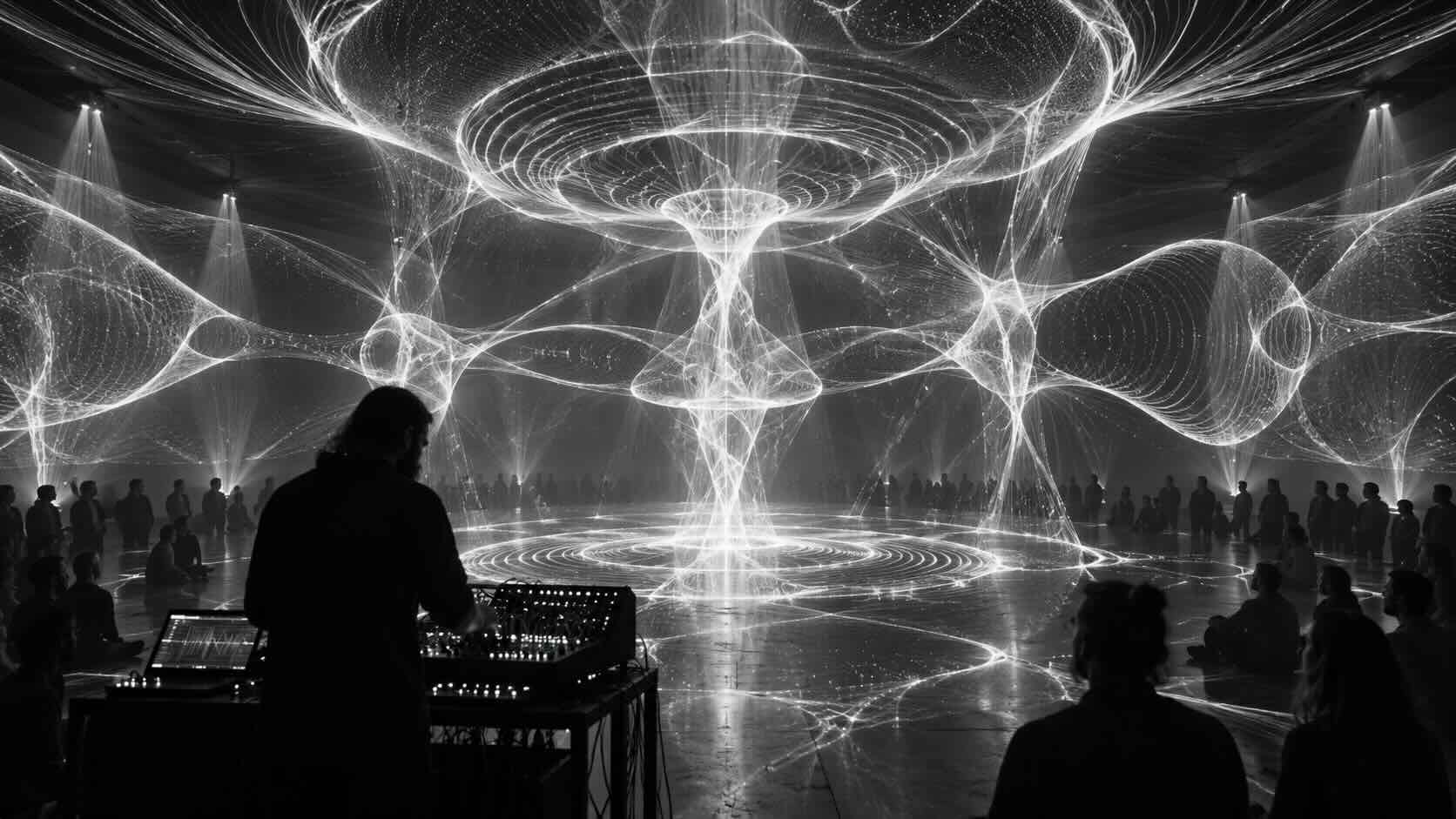
A live performance in which sound and light emerge from a shared compositional system. A hybrid instrument combines hands-on modular synthesis with digital processing and generative visuals: gestures, control signals and musical structures shape both the sonic and visual field.

The aim is not simply to decorate music with responsive images, but to make relationships audible and visible at once. Rhythms become motion, modulation becomes transformation, and spatial light extends the composition beyond a screen. The same approach is envisioned across intimate listening rooms, immersive installations and larger architectural settings, with projection and holographic-like effects explored as possible staging techniques.

Proposed stack: modular synthesis · TouchDesigner · MIDI / OSC · digital audio processing · projection and spatial lighting.

Concept visualisations

Circular Immersion — concept visualisation.
Circular Immersion · A shared field of sound and light surrounds the audience, dissolving the separation between stage and listening space.
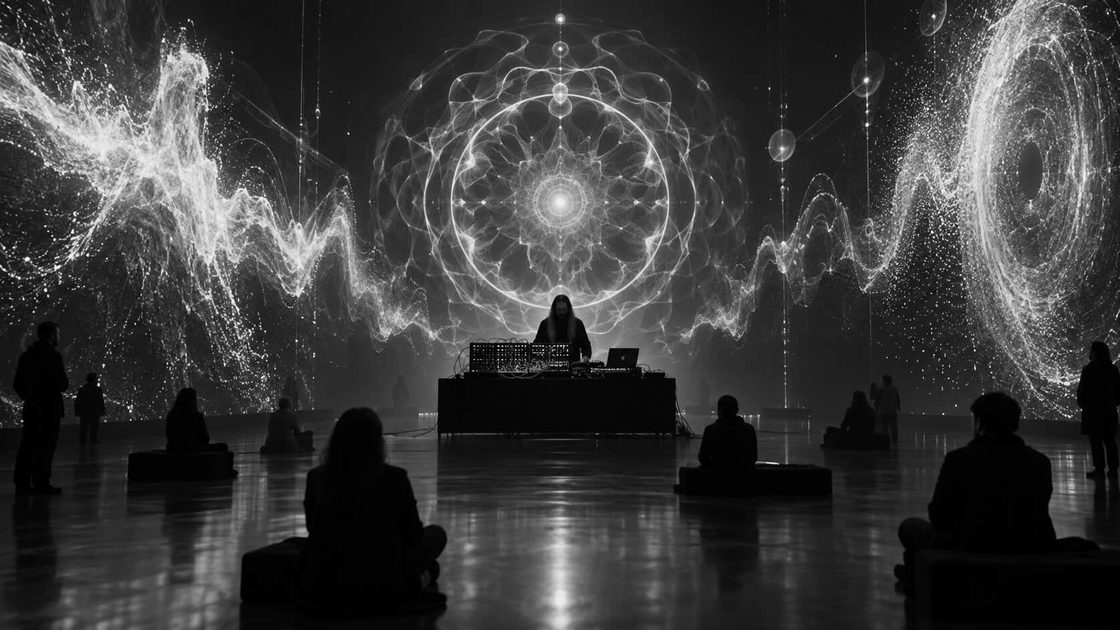
Immersive Listening Room — concept visualisation.
Immersive Listening Room · An intimate environment for sustained attention, where evolving geometry and sound form one contemplative composition.
10 · Transmodal Resonance · Live Audiovisual Performance21 / 32

10

Transmodal Resonance

Possible Spaces and Staging

Concept visualisations · Part of the same Live A/V project

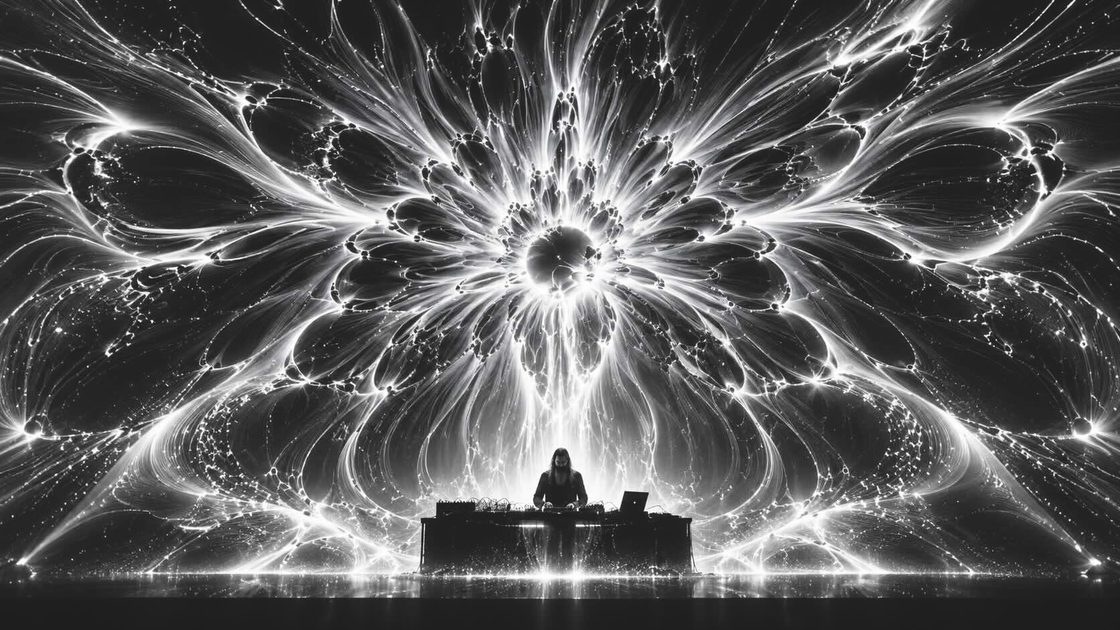
Open-Air Audiovisual Horizon — concept visualisation.
Open-Air Audiovisual Horizon · Large-scale imagery and live synthesis extend the composition into an open-air setting.
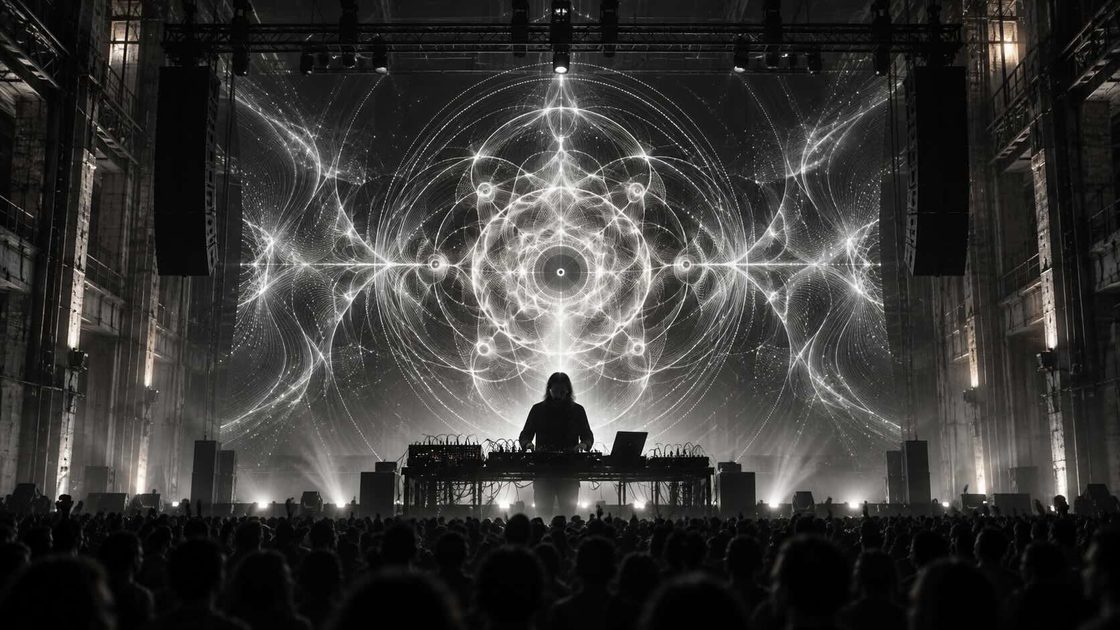
Indoor Performance Stage — concept visualisation.
Indoor Performance Stage · A frontal screen concentrates the relationship between the performer, the live instrument and generative form.
Immersive Hall — concept visualisation.
Immersive Hall · Projected and spatial light suggest a shared three-dimensional field within the architecture.
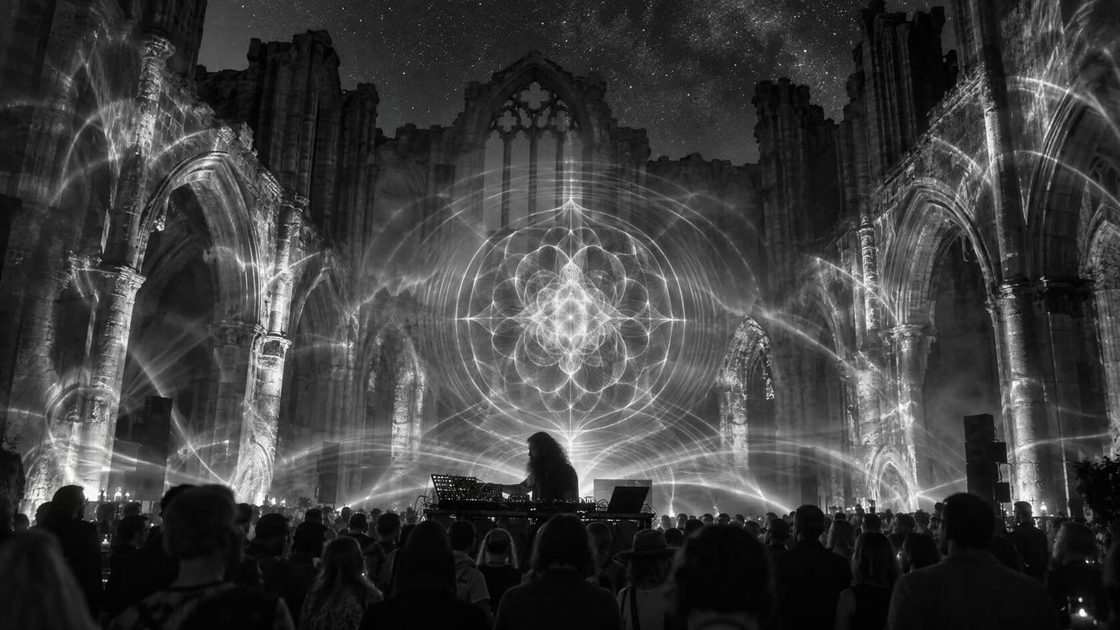
Architectural Night Performance — concept visualisation.
Architectural Night Performance · Light and sound enter into dialogue with open-air architecture, making the place part of the composition.
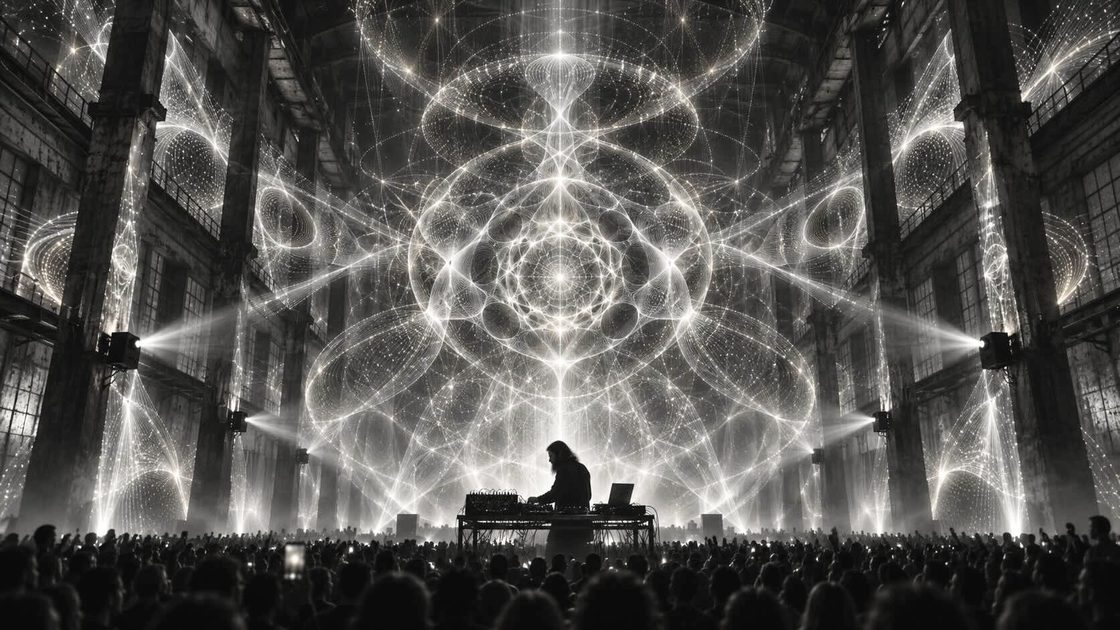
10 · Transmodal Resonance · Possible Spaces and Staging22 / 32

Forms can guide attention: an image can organise memory, a proportion can shape a composition, and a relationship can be encountered through light, rhythm or movement. HoloVision uses such forms to create an experience, not to contain or explain the reality that inspired it.

A work can offer structure, movement, concentration and openness. It may change how someone sees, but it cannot prescribe what that person will recognise. The limit is part of the work: representation can lead thought and imagination to a threshold, then it must leave the encounter open.

HoloVision does not represent the Mystery. It leads representation to the threshold where representation must fall away.

HoloVision manifesto

HoloVision · the threshold23 / 32

03Projects

Projects

From ideas to working systems — selected work in AI engineering, creative coding and full-stack development.

03.1Case study · completed capstone

Creative Coding Assistant

Capstone · Turing College, Software & AI Engineering

From creative intent to an inspectable browser experience.

Creative Coding Assistant is a workspace for artists and developers. It turns a creative task, text and optional image references into source code and a browser preview that can be inspected and refined.

The five-step path

  1. 1You createDescribe the task and creative intent; optionally add up to four validated image references.
  2. 2The request is preparedThe system validates the request and selects a direct or staged workflow.
  3. 3Relevant context is addedSaved context and approved official documentation can be retrieved and kept visible with the workflow.
  4. 4Code and artifacts are producedThe result is generated, extracted and checked against the rules of a supported runtime.
  5. 5Preview and refineSupported creative code runs in a bounded browser preview for inspection, review and refinement.

Core capabilities

  • Generate, explain, debug, design, review and preview creative code.
  • Retrieve approved official documentation.
  • Keep the selected route, sources, preview state and evaluation evidence inspectable.
  • Save workspace sessions and artifacts for continued refinement.

Stack · boundary

Stack
Next.js · Python · LangGraph · Jinja · ChromaDB · SQLite · OpenAI · Playwright
Boundary
Local, single-user workstation. OpenAI is the active service for generation and embeddings; no offline model or hosted multi-user service is claimed.
Creative Coding Assistant on GitHub

Projects · Creative Coding Assistant24 / 32

03.3Knowledge system · public demo

NousOS

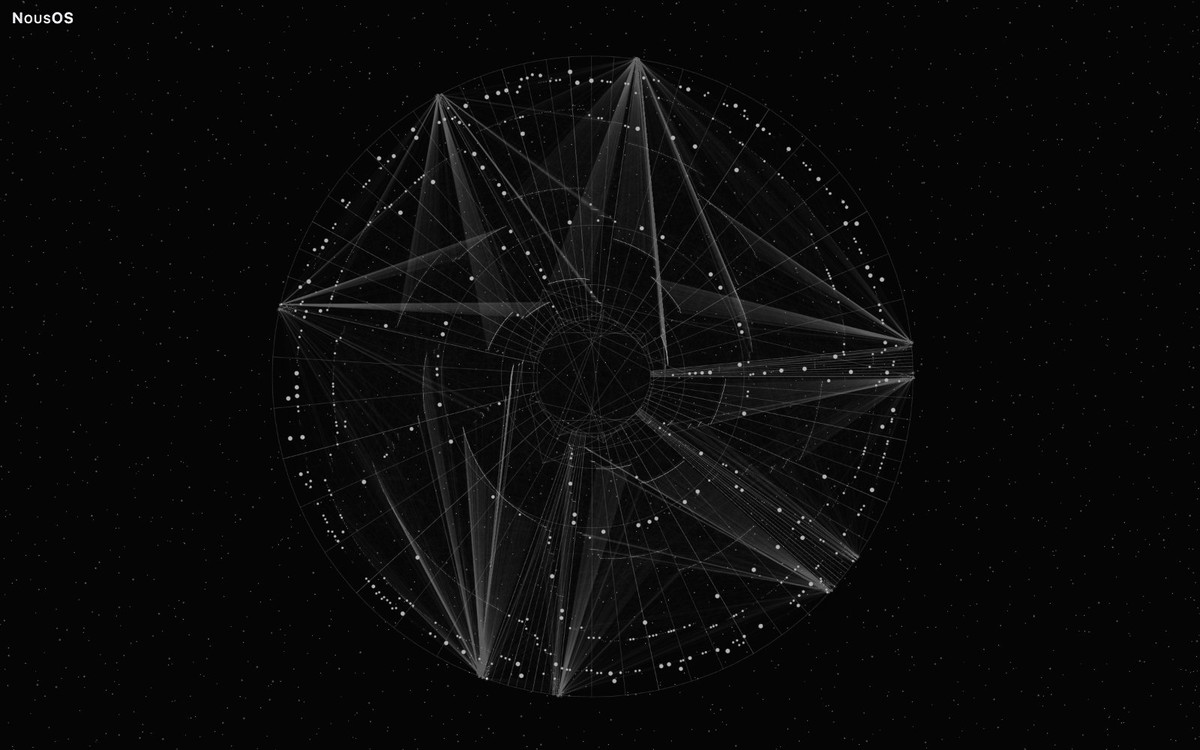
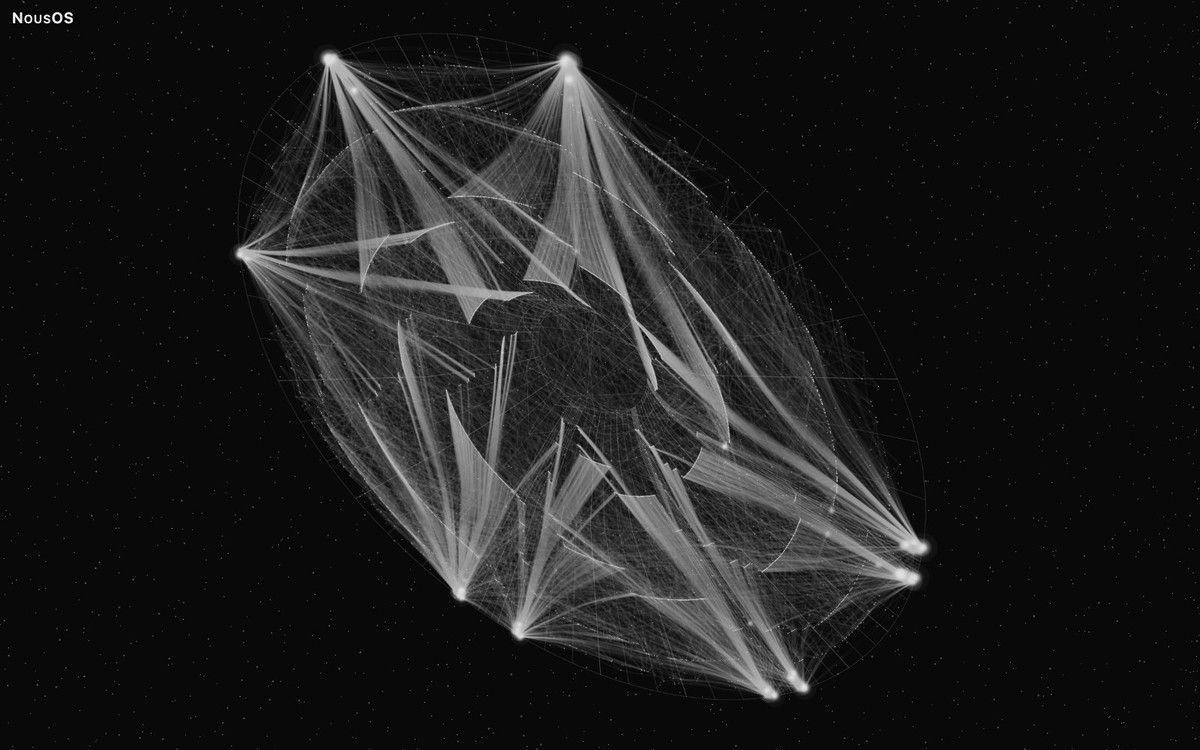
A knowledge system that keeps every statement connected to its source, its history and its relationships, and lets you explore them as an interactive 2D or 3D graph.

It helps people search notes and documents, check the source behind a statement and explore related ideas. Documents stay as unchanged snapshots; quotations point to exact source ranges. Claims keep when they applied, when they were learned and their earlier versions. A person reviews proposed knowledge before accepting it; source-backed connections remain distinct from exploratory suggestions.

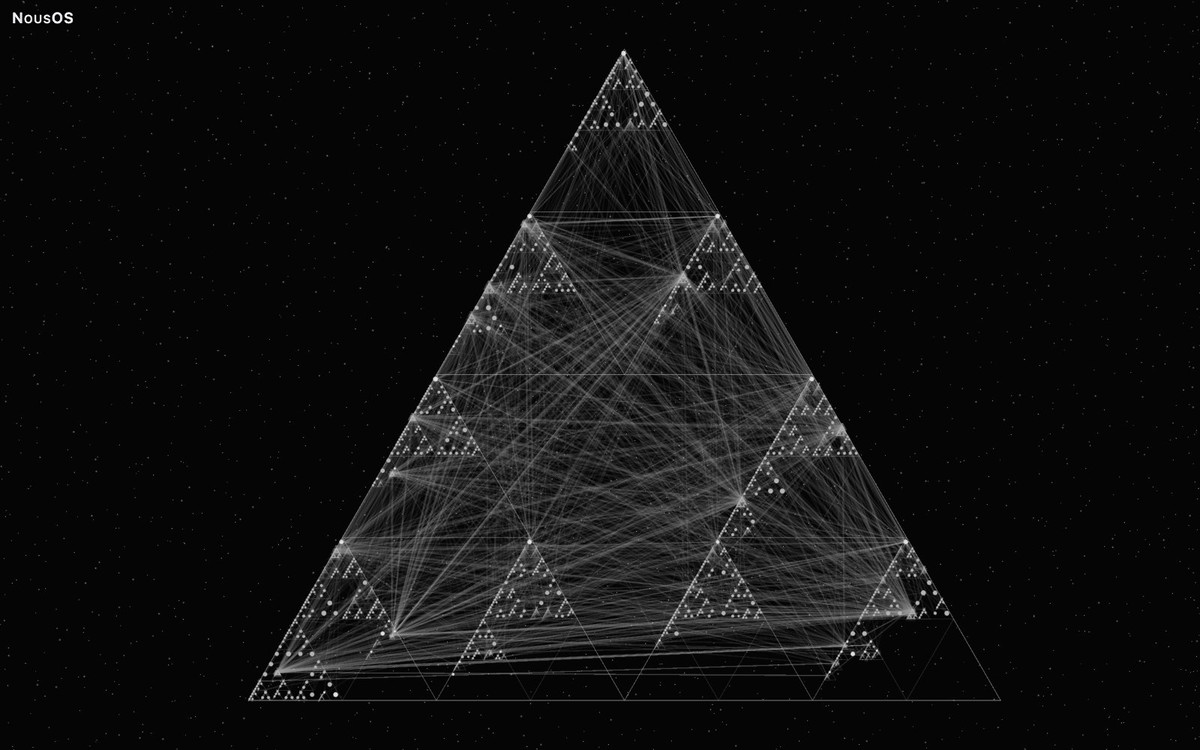
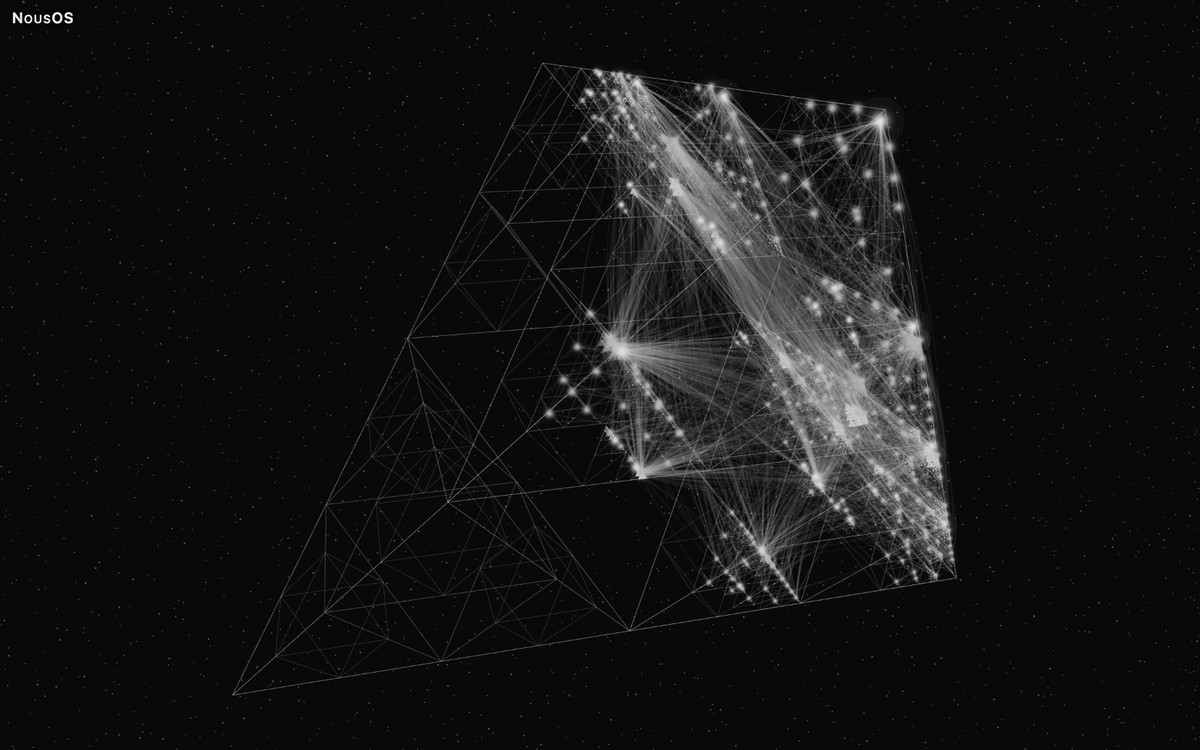
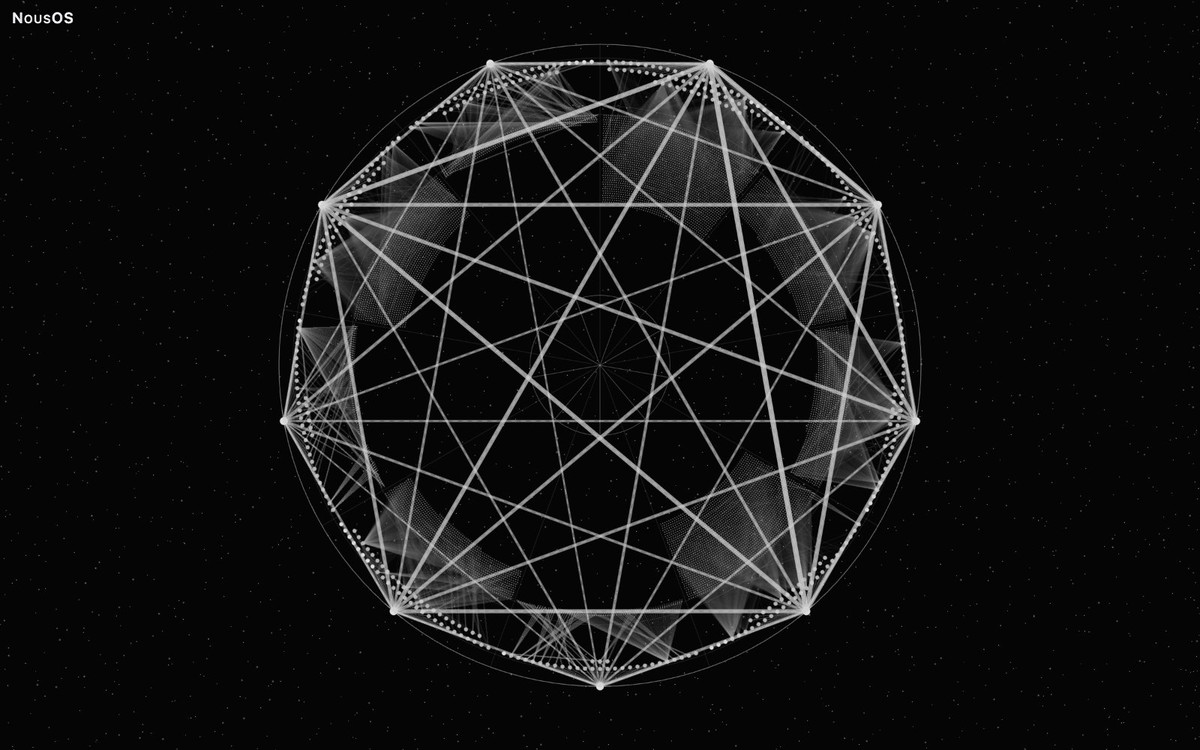
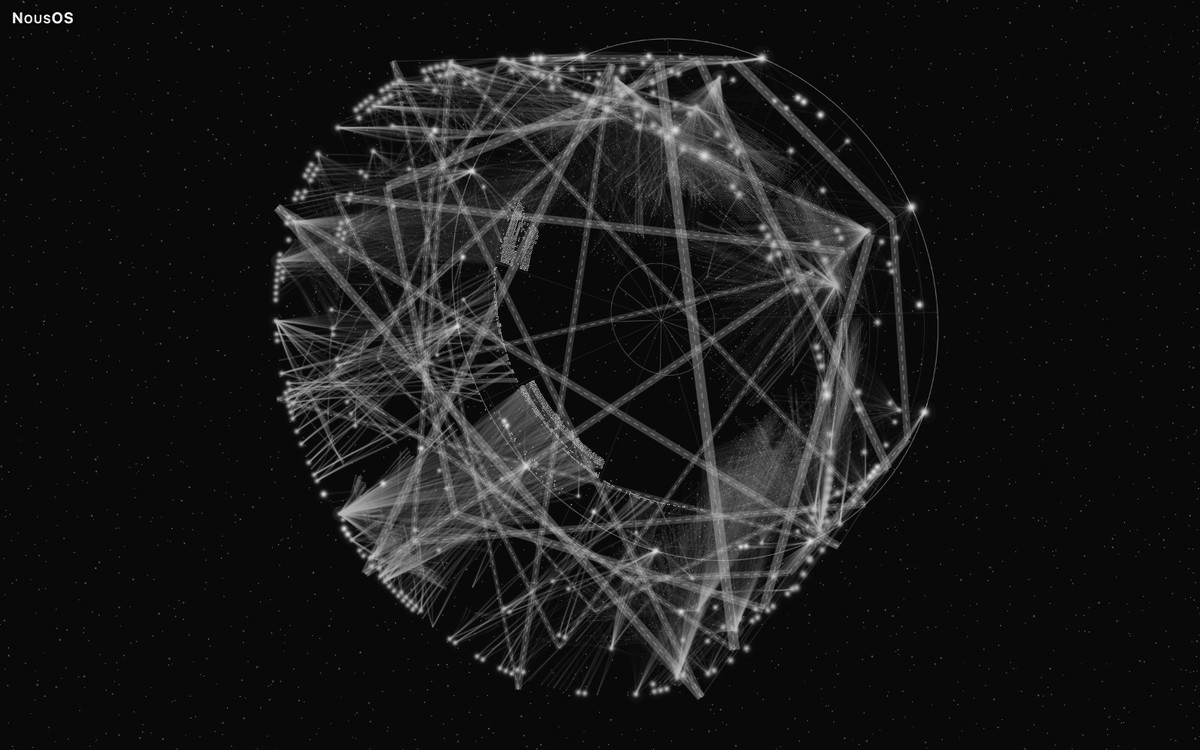
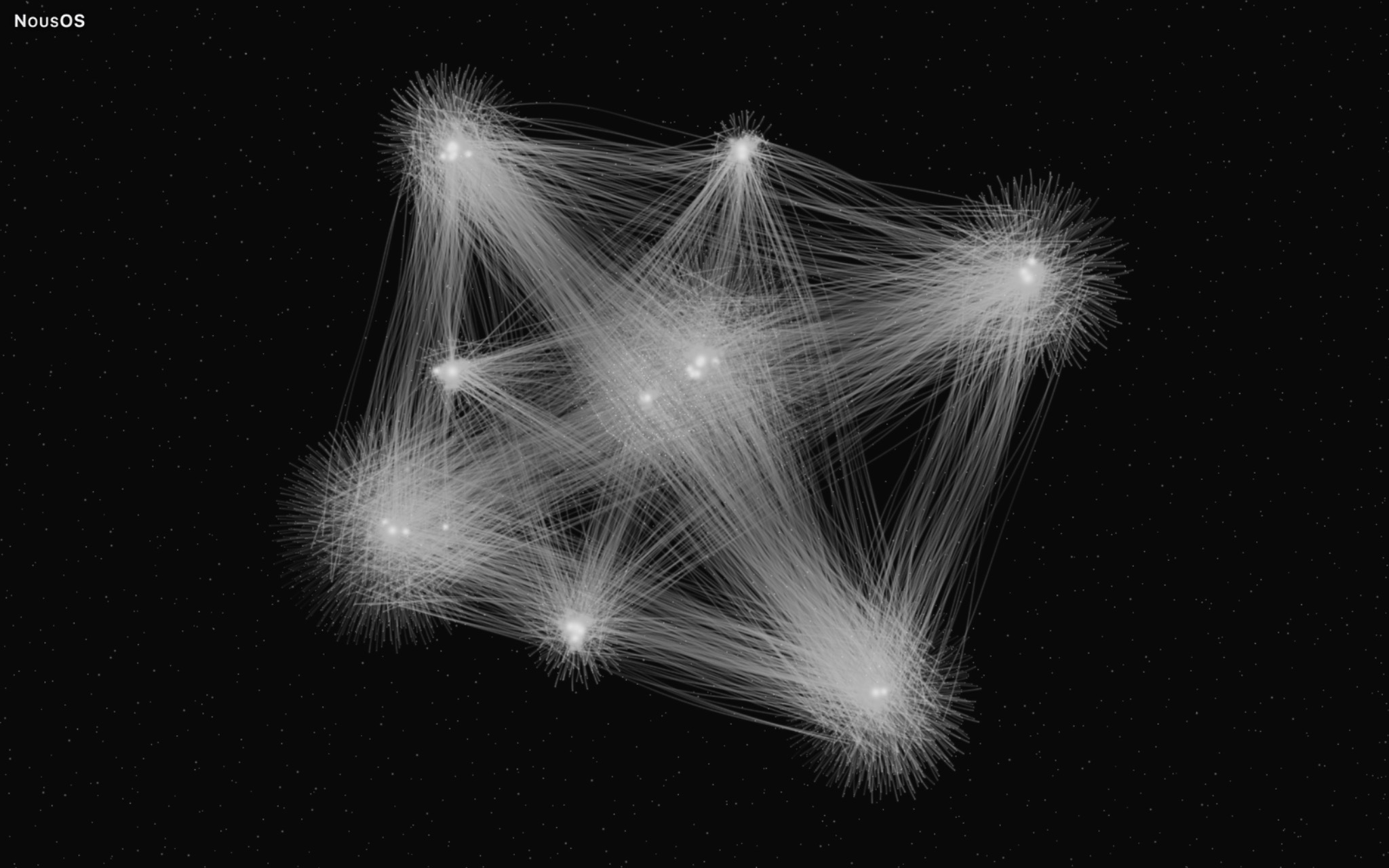
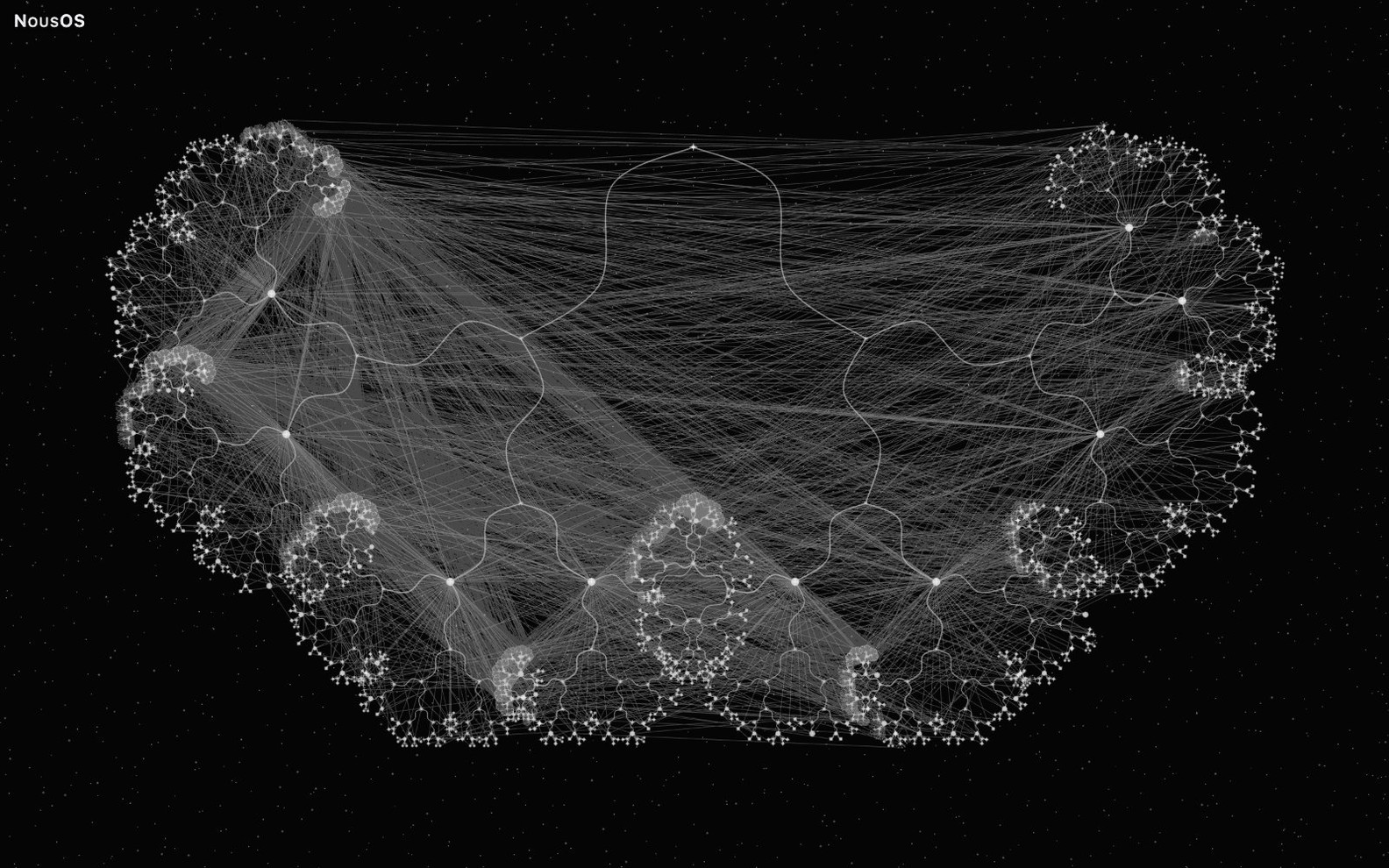
The graph offers 2D and 3D views, different node styles and adjustable density. Natural and the experimental Canopy are different arrangements. Canopy, Sierpiński, Llull and Julia belong to the experimental Geometry Lab: ways to explore the records, alongside their evidence.

Stack
Python 3.11+ · TypeScript · React · Three.js · React Three Fiber · Sigma.js · Graphology
State
Public local demo with invented sample data · CLI, JSON-RPC and browser review page.

NousOS on GitHub

NousOS Natural arrangement in 3D at Complete density: luminous stellar clusters connected by lines on a black field, drawn from invented demo data.
Natural arrangement · Stellar · 3D
NousOS experimental Canopy arrangement in 2D: stellar nodes and connecting lines, drawn from invented demo data.
Canopy · 2D
NousOS25 / 32

03.3NousOS · Geometry Lab

NousOS · Visual atlas

Three experimental Geometry Lab arrangements, each in 2D above and 3D below. All views use the Stellar node style and synthetic demo data.

NousOS experimental Sierpiński arrangement in 2D, drawn from invented demo data; the whole captured view.
Sierpiński · 2D
NousOS experimental Sierpiński arrangement in 3D, drawn from invented demo data; the whole captured view.
Sierpiński · 3D
NousOS experimental Llull arrangement in 2D, drawn from invented demo data; the whole captured view.
Llull · 2D
NousOS experimental Llull arrangement in 3D, drawn from invented demo data; the whole captured view.
Llull · 3D
NousOS experimental Julia arrangement in 2D, drawn from invented demo data; the whole captured view.
Julia · 2D
NousOS experimental Julia arrangement in 3D, drawn from invented demo data; the whole captured view.
Julia · 3D
NousOS · Visual atlas26 / 32

03.2Engineering infrastructure · in development

AI Engineering Harness

A system for coordinating software work delegated to AI coding agents, with independent checks, durable records and key decisions kept with a person.

It serves engineering coordinators working with delegated, replaceable workers. From a project contract and scoped briefs, the coordinator decomposes and routes work; workers return bounded patches; stateless checkers enforce declared boundaries. The output is scoped work products, check results and recoverable continuation state; durable files preserve decisions and findings.

Stack
Python 3.12+ · Python standard library · pytest · Git · HTML projections
State
v2.5.0 · v2.6.0 in development · public repository.

AI Engineering Harness on GitHub

03.4Adaptive learning platform · local application

AI Engineering Learning Assistant

A study companion for people learning AI engineering, including agents and systems that retrieve sources before answering.

A session starts from a learning topic with difficulty and depth choices, and continues on learner feedback and submitted quiz answers. Separate LangGraph Learn and Quiz workflows load memory, retrieve knowledge, generate material, evaluate answers and persist learning signals — topic, then study guide, quiz, feedback and weak areas, then the next topic. The output is study guides, learning paths, quizzes, answer feedback, weak areas and progress views.

Stack
Python · Streamlit · LangChain · LangGraph · OpenAI API · ChromaDB · Pydantic · LangSmith · RAGAS · pytest
State
Local application · extensive regression suite.

AI Engineering Learning Assistant on GitHub

AI engineering27 / 32

03.5Full-stack base

The Developers Network

The Developers Network banner: a white DN monogram inside a black circle over a monochrome network of connected points.
The Developers Network · project banner.

A full-stack social network created as the final project of the SPICED Academy bootcamp, designed around the practical and social needs of developers.

Built
Profiles with professional and personal information; image and post walls; comments and replies; developer search and connections; notifications; live general and private chat with automatic code formatting.
Use
A shared space where developers can present their work and interests, find peers and communicate in real time.
Stack
React · Redux · MUI · Node.js · Express · PostgreSQL · Socket.IO · AWS S3 and SES

The Developers Network on GitHub

03.6Where the visual thread begins

Imageboard

A Tribute to Mimmo Jodice

Black-and-white Imageboard banner with a portrait beside the text “The metaphysical photography of Mimmo Jodice_”.
Imageboard · A Tribute to Mimmo Jodice · project banner.

A SPICED Academy full-stack project built around an image-led tribute to the metaphysical photography of Mimmo Jodice.

Built
An image gallery with cloud upload and deletion, individual image views, comments and comment deletion, plus responsive phone layouts.
Use
Browsing, publishing and discussing photographs through a focused visual interface.
Stack
Vue.js · Node.js · Express · PostgreSQL · Multer · AWS S3

Imageboard — A Tribute to Mimmo Jodice on GitHub

Full-stack28 / 32

04Studies

04.1An NLP study

WikiNews NLP Intelligence

A study of how software analyses news across more than 15,200 WikiNews records: which names it finds, how it groups articles by topic, and what summaries preserve or lose.

WikiNews NLP Intelligence repository

Compared
Two systems for finding people, places and organisations in 52 hand-checked English and Italian articles; two summarizers on 60 English articles; and two topic classifiers on 701 held-out articles.
Found
Exact-match scores from 0 to 1: they reached 0.559 and 0.795 in English. The two summarizers kept the same 29 of 60 key facts. The topic classifiers scored 0.883 and 0.888 when each topic counted equally.
Limits
The reference answers and summary judgements came from one person, the samples were small, and these numbers describe the documented tests rather than performance in general.
Stack
Python · pandas · spaCy · transformers · TextRank · BART · scikit-learn · MiniLM
Finding names · F1 with 95 % intervals, exact and relaxed
Dot plot: exact-match F1 for finding names with 95% intervals, and the relaxed F1. English: small spaCy model 0.559 (0.499–0.615), relaxed 0.727; WikiNEuRal 0.795 (0.758–0.831), relaxed 0.922. Italian: small spaCy model 0.617 (0.555–0.686), relaxed 0.712; WikiNEuRal 0.743 (0.678–0.803), relaxed 0.838.0.40.50.60.70.80.91ENGLISHITALIANsmall, fast modelspaCy small0.5590.727larger multilingualWikiNEuRal0.7950.922small, fast modelspaCy small0.6170.712larger multilingualWikiNEuRal0.7430.838+0.236+0.126Dot plot: exact-match F1 for finding names with 95% intervals, and the relaxed F1. English: small spaCy model 0.559 (0.499–0.615), relaxed 0.727; WikiNEuRal 0.795 (0.758–0.831), relaxed 0.922. Italian: small spaCy model 0.617 (0.555–0.686), relaxed 0.712; WikiNEuRal 0.743 (0.678–0.803), relaxed 0.838.0.40.50.60.70.80.91ENGLISHITALIANsmall, fast · spaCy small0.5590.727larger multilingual · WikiNEuRal0.7950.922small, fast · spaCy small0.6170.712larger multilingual · WikiNEuRal0.7430.838+0.236+0.126

Filled dot: exact-match F1 (what was found against what was missed, exact spans only) with its 95 % interval · open ring: relaxed F1 as reported in the README · arrow: the larger model’s lead over the small one, in the same language · 52 articles checked by hand, 966 names (620 English, 346 Italian).

Summaries and controls · similarity against length
Scatter plot of 60-article means: length of the text as a share of the article (horizontal) against similarity to the article (vertical). The article itself 100% · 1.000; TextRank 38% · 0.873; first five sentences 38% · 0.869; random sentences 30% · 0.861; first three sentences 24% · 0.808; BART 19% · 0.794; first sentence 10% · 0.680; an unrelated article 49% · 0.207.0.60.70.80.910 %25 %50 %75 %100 %similaritylength · share of the articlethe article itself · 1.000TextRank · 0.873first 5 sentences · 0.869random · 0.861first 3 sentences · 0.808BART · 0.794first sentence · 0.680unrelated · 0.207 (off scale)Scatter plot of 60-article means: length of the text as a share of the article (horizontal) against similarity to the article (vertical). The article itself 100% · 1.000; TextRank 38% · 0.873; first five sentences 38% · 0.869; random sentences 30% · 0.861; first three sentences 24% · 0.808; BART 19% · 0.794; first sentence 10% · 0.680; an unrelated article 49% · 0.207.0.60.70.80.910 %25 %50 %75 %100 %similaritylength · share of the articlethe article itself · 1.000TextRank · 0.873first 5 sentences · 0.869random · 0.861first 3 sentences · 0.808BART · 0.794first sentence · 0.680unrelated · 0.207(off scale)

Means over 60 articles · white: TextRank (picks sentences) and BART (writes new ones) · grey: controls, random = sentences picked at random · open: an unrelated article, below the scale (it starts at 0.6). Similarity grows with length: random sentences score almost as high as TextRank.

Redrawn in black and white · values reproduced from the project README (main branch, read 18 Oct 2026)

Studies · WikiNews30 / 32

04.2A deep learning study

MNIST MLP Experiments

A study of how a small neural network learns to recognise handwritten digits, and how training choices change its mistakes. It uses 42,000 labelled digits, a fixed data split and one controlled change at a time.

MNIST MLP Experiments repository

Explored
Of 648 possible combinations of settings, a step-by-step search trained 14, then compared the two finalists across three fixed random starts. The selected network — layers of 512, 256 and 128 units — recognised 97.8% of digits it had never seen (8,218 of 8,400).
Limits
This result describes one staged search and one dataset on Apple MPS hardware. Three random starts are a stability check, not a statistical test; the network treats each image as a list of pixels and does not use their spatial layout.
Stack
Python · PyTorch Lightning · PyTorch · scikit-learn · NumPy · pandas · Kaggle Digit Recognizer
Chosen network against runner-up · gain on three paired runs
Lollipop chart: validation-accuracy gain of the chosen network over the runner-up on three paired seeds: seed 2026 +0.13, seed 2027 +0.52, seed 2028 +0.21 percentage points; decision rule +0.10. Means 97.98% ± 0.09 and 97.69% ± 0.23.0+0.2+0.4+0.6ptsrule +0.10+0.13seed 2026+0.52seed 2027+0.21seed 2028Lollipop chart: validation-accuracy gain of the chosen network over the runner-up on three paired seeds: seed 2026 +0.13, seed 2027 +0.52, seed 2028 +0.21 percentage points; decision rule +0.10. Means 97.98% ± 0.09 and 97.69% ± 0.23.0+0.2+0.4+0.6ptsrule +0.10+0.13seed 2026+0.52seed 2027+0.21seed 2028

Gain in validation accuracy of the chosen network over the runner-up, in percentage points, on three paired seeds · every seed above the decision rule · means 97.98 % ± 0.09 and 97.69 % ± 0.23 · three runs are not a statistical test.

Most frequent mistakes · from the true digit to the digit read
Arc diagram of the five most frequent mistakes on 8,400 held-out digits, from the true digit to the digit read: 3 read as 5 (14), 9 as 4 (9), 5 as 3 (8), 2 as 7 (8), 3 as 2 (8); 8,218 of 8,400 correct (97.8%).3 → 5 · 149 → 4 · 95 → 3 · 82 → 7 · 83 → 2 · 80123456789Arc diagram of the five most frequent mistakes on 8,400 held-out digits, from the true digit to the digit read: 3 read as 5 (14), 9 as 4 (9), 5 as 3 (8), 2 as 7 (8), 3 as 2 (8); 8,218 of 8,400 correct (97.8%).01234567893 → 5: 14 · 9 → 4: 9 · 5 → 3: 82 → 7: 8 · 3 → 2: 8

From the true digit to the digit read: above, towards a larger digit; below, towards a smaller one · width and label: number of errors · the five most frequent of 182 errors on one held-out split · 8,218 of 8,400 correct (97.8 %).

Redrawn in black and white · values reproduced from the project README (main branch, read 18 Oct 2026)

Studies · MNIST31 / 32

05Contact

Open to collaborations, commissions and good questions.

Websites and applications, AI systems, and works where computation meets art.

A net of glass pearls; the largest holds the sea of the third world, the alignment and the sun inside it.
Contact32 / 32